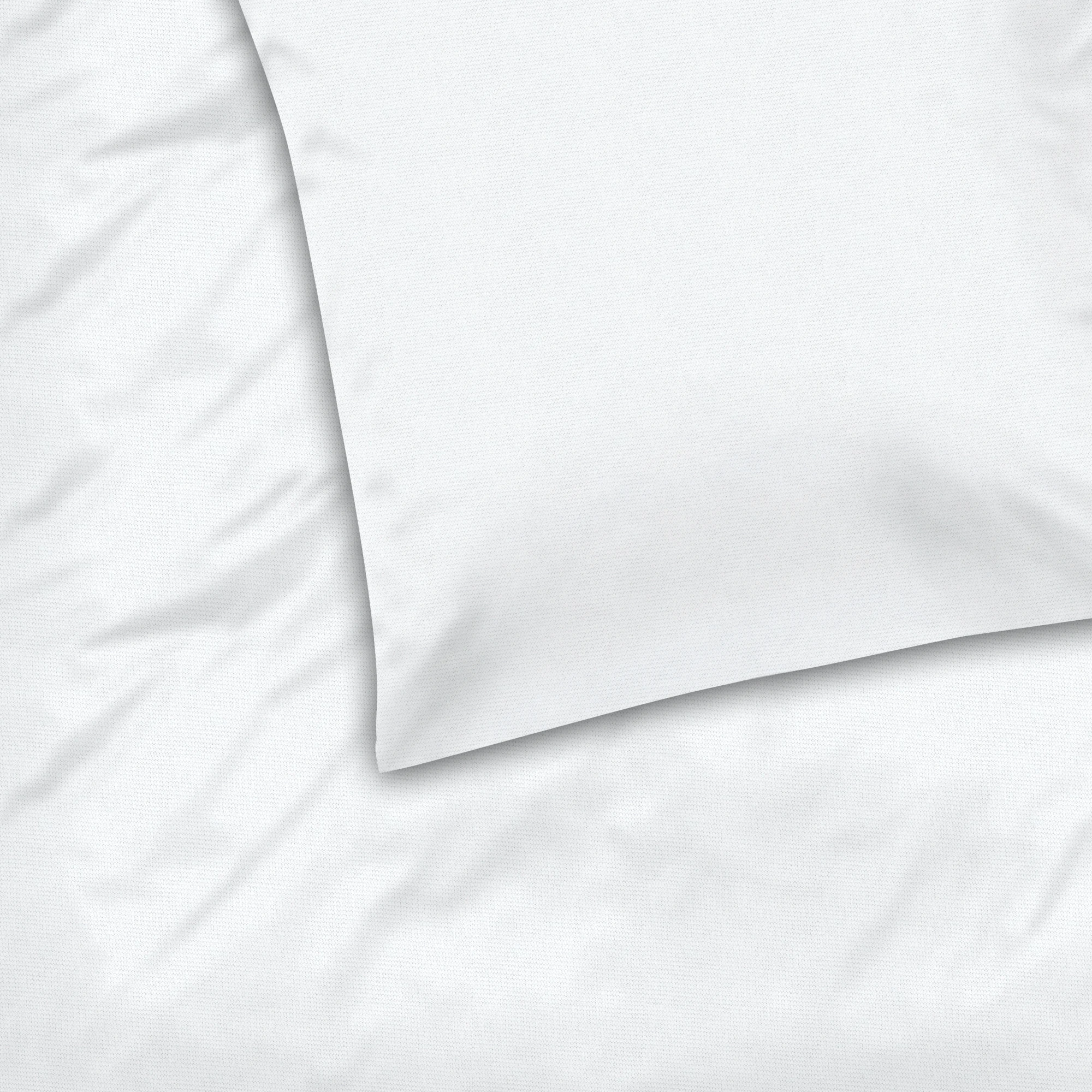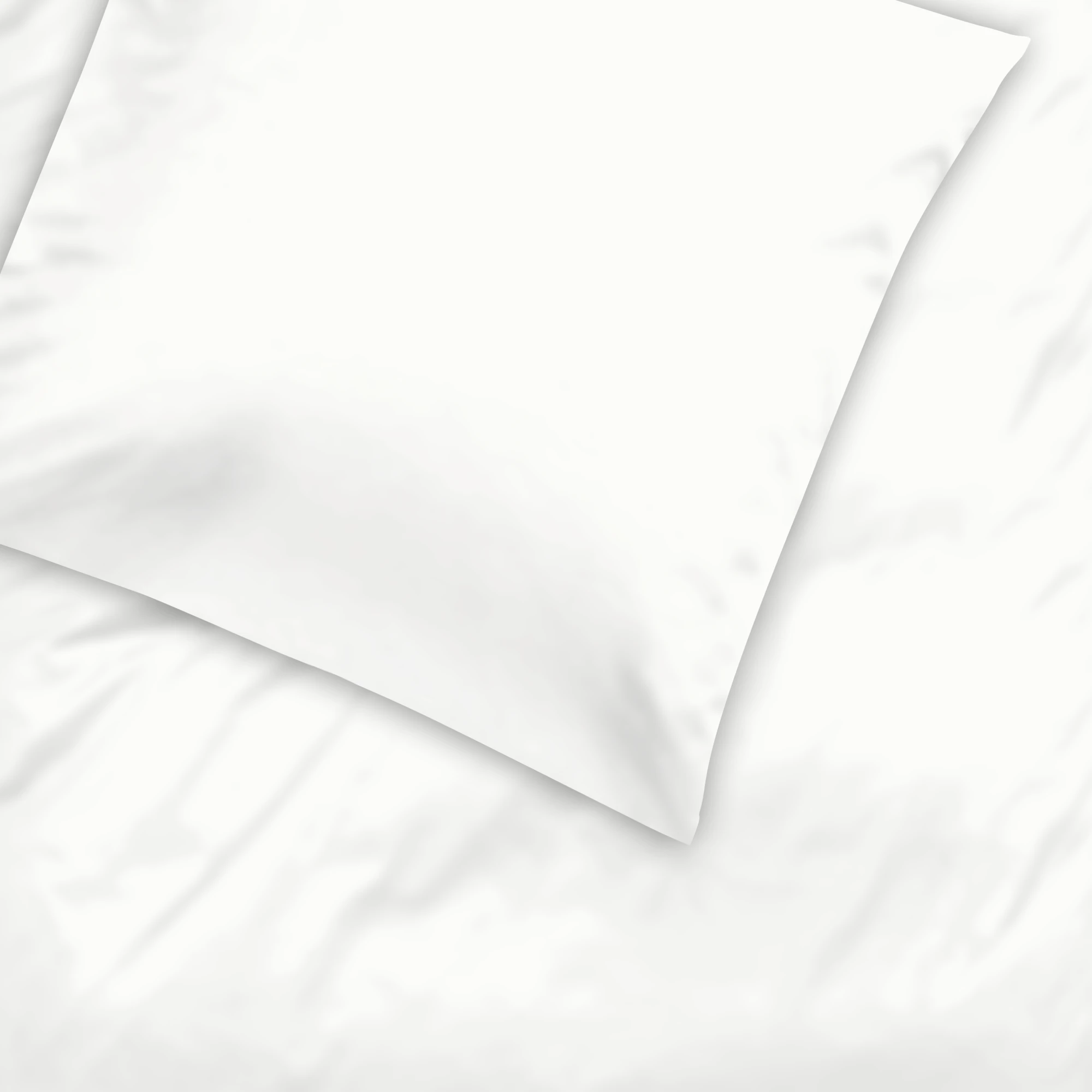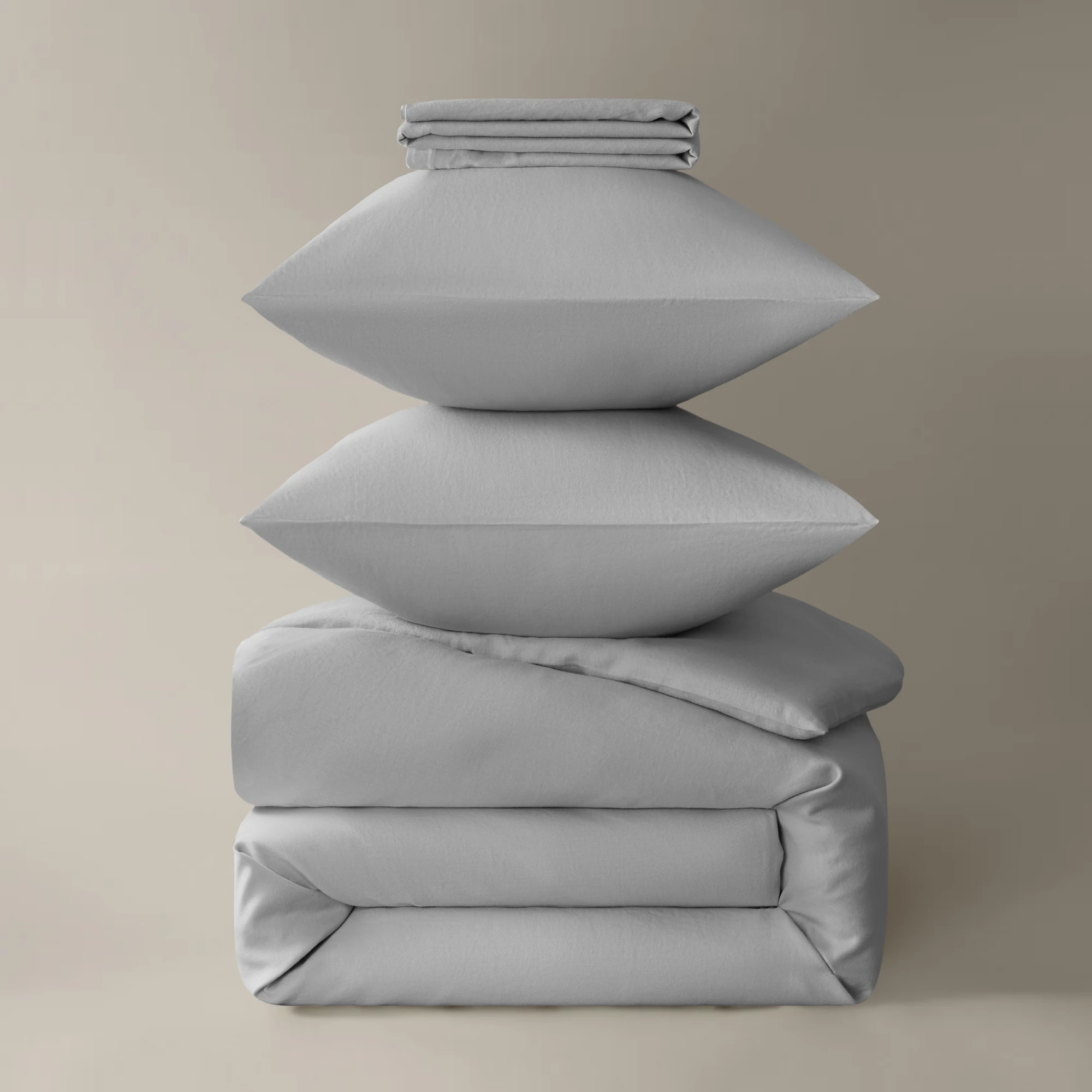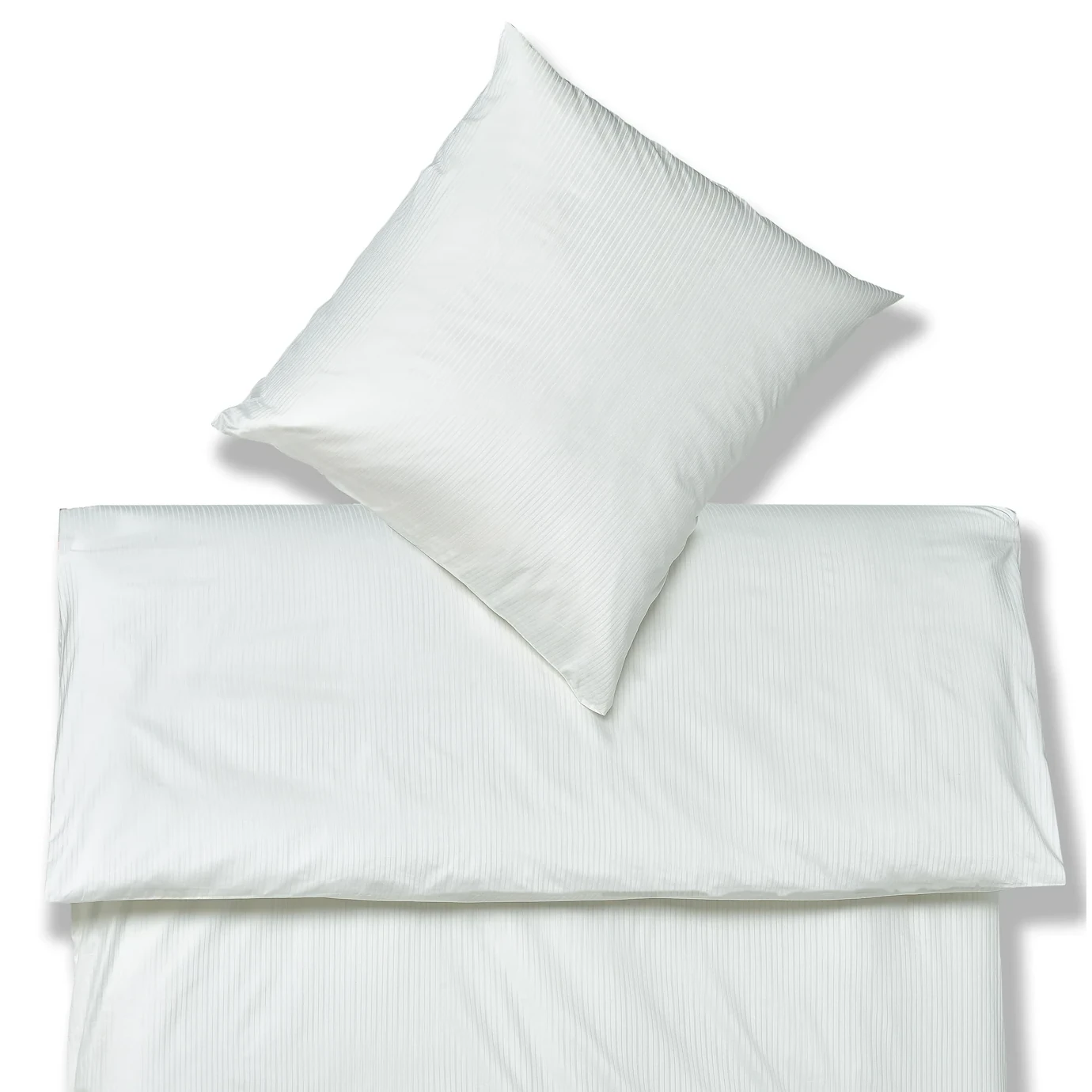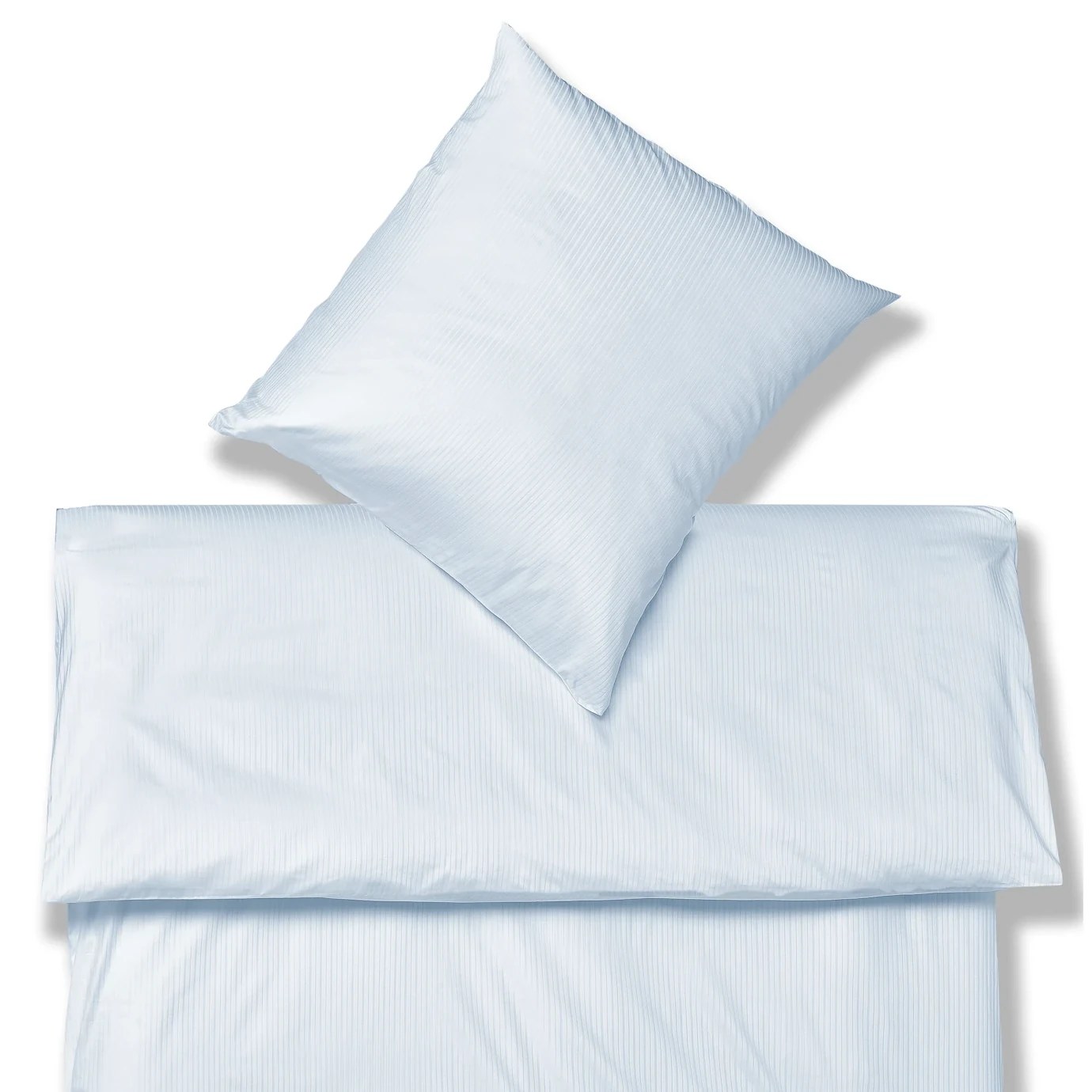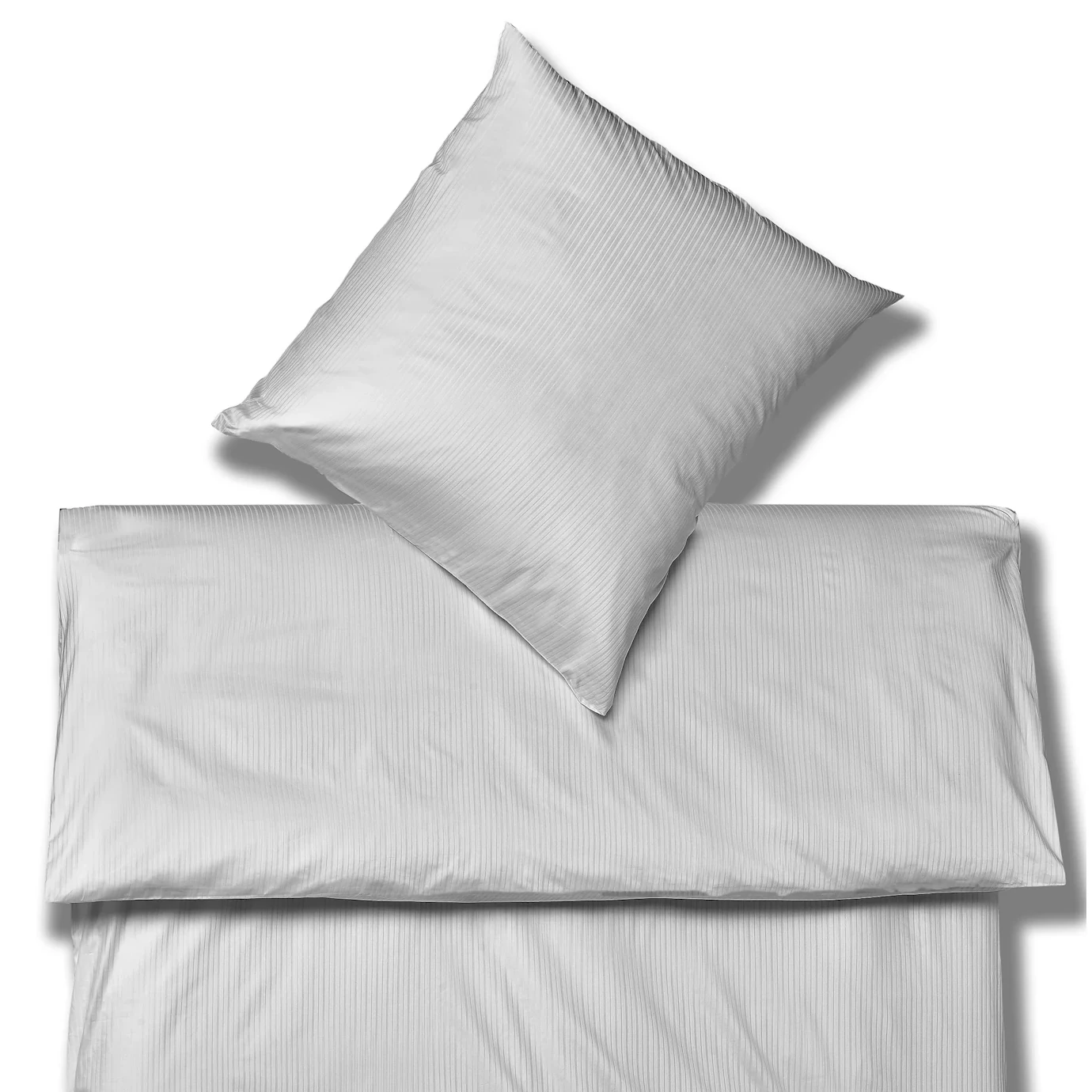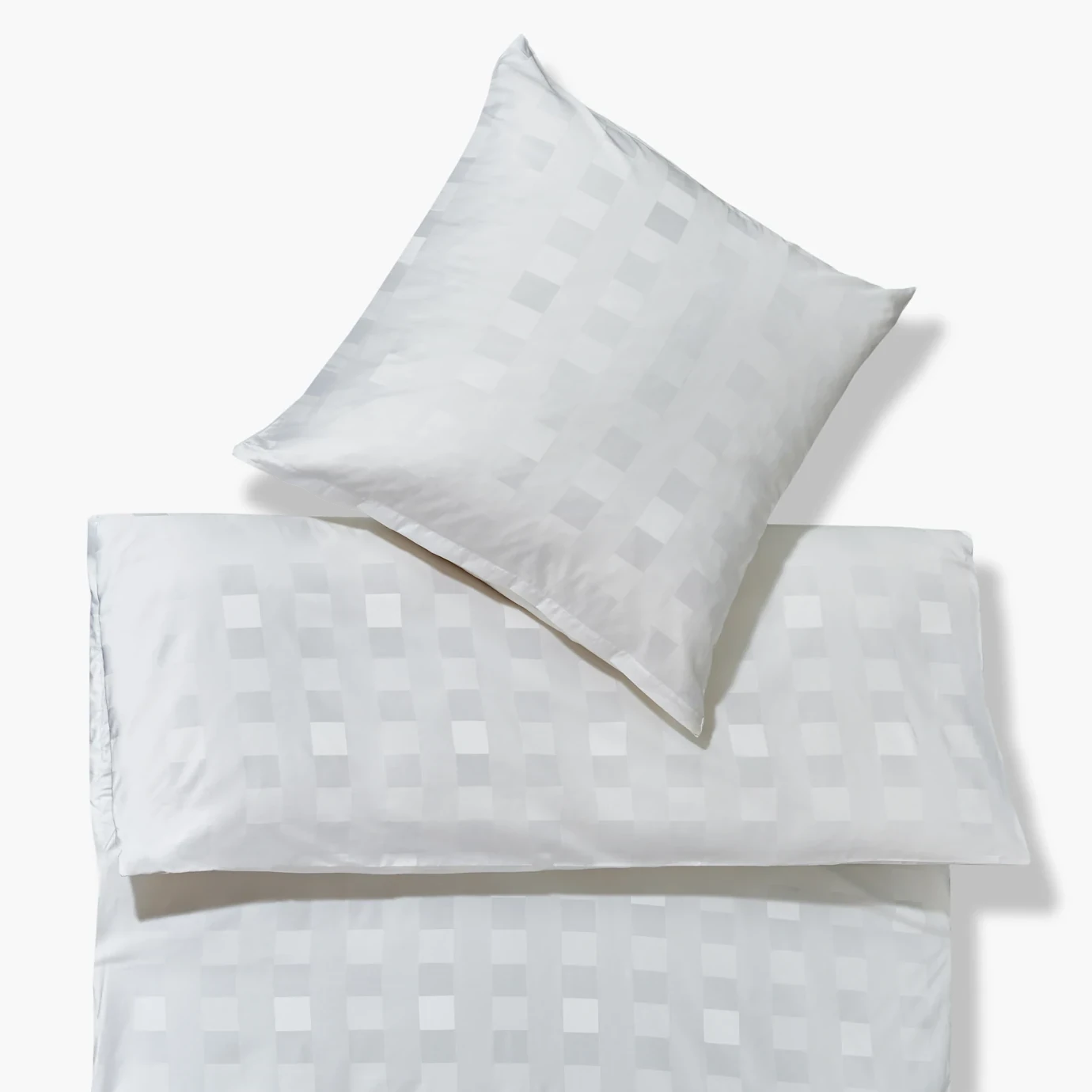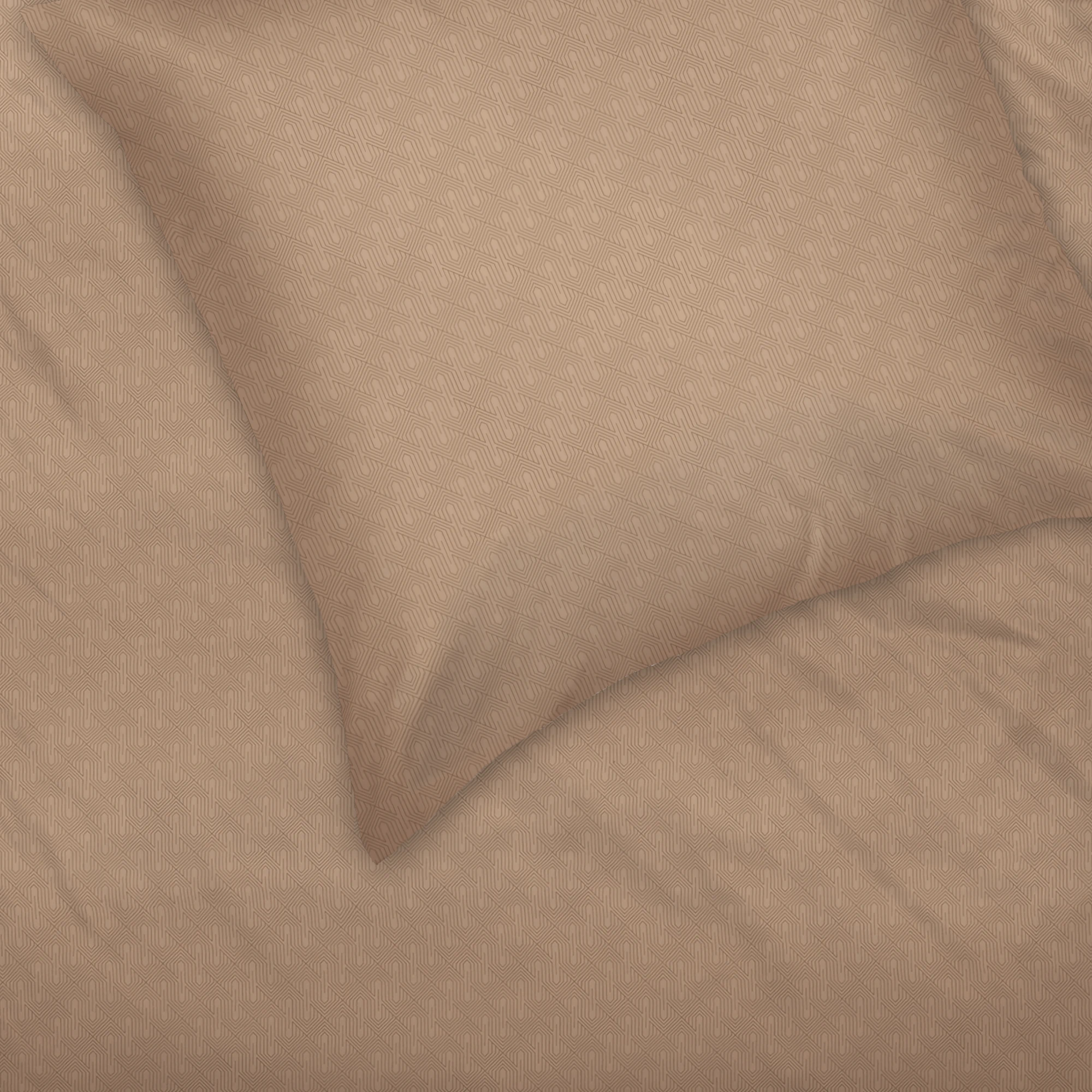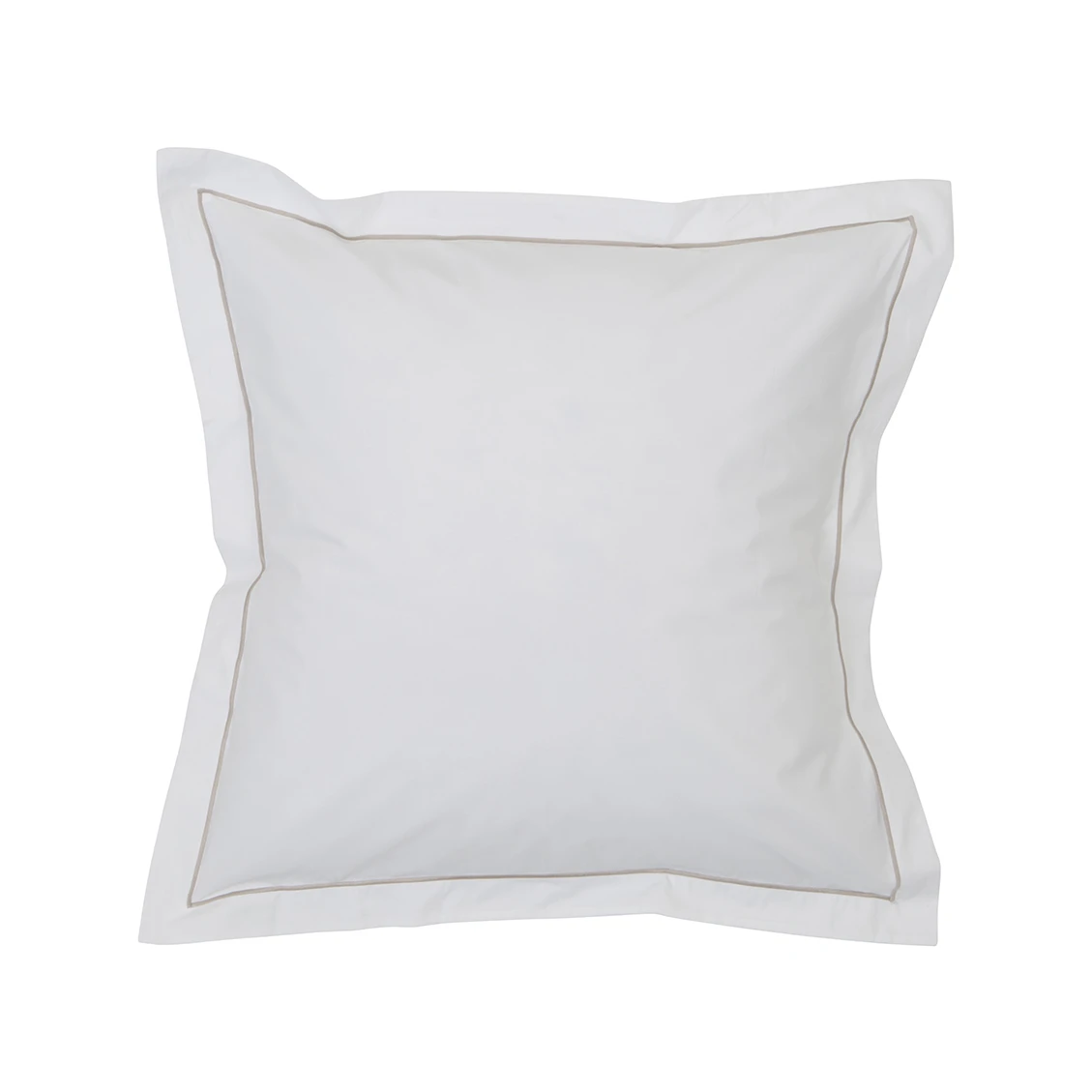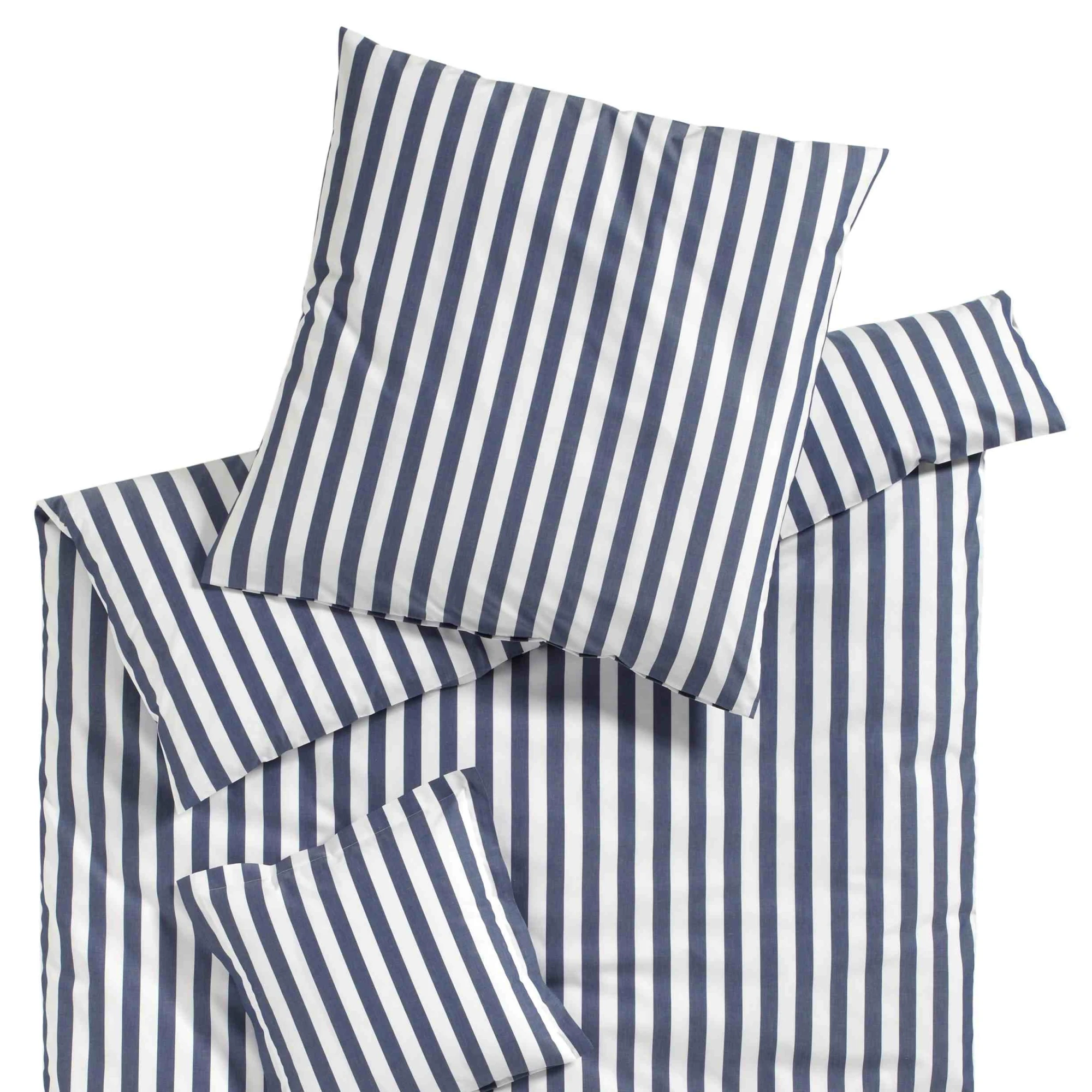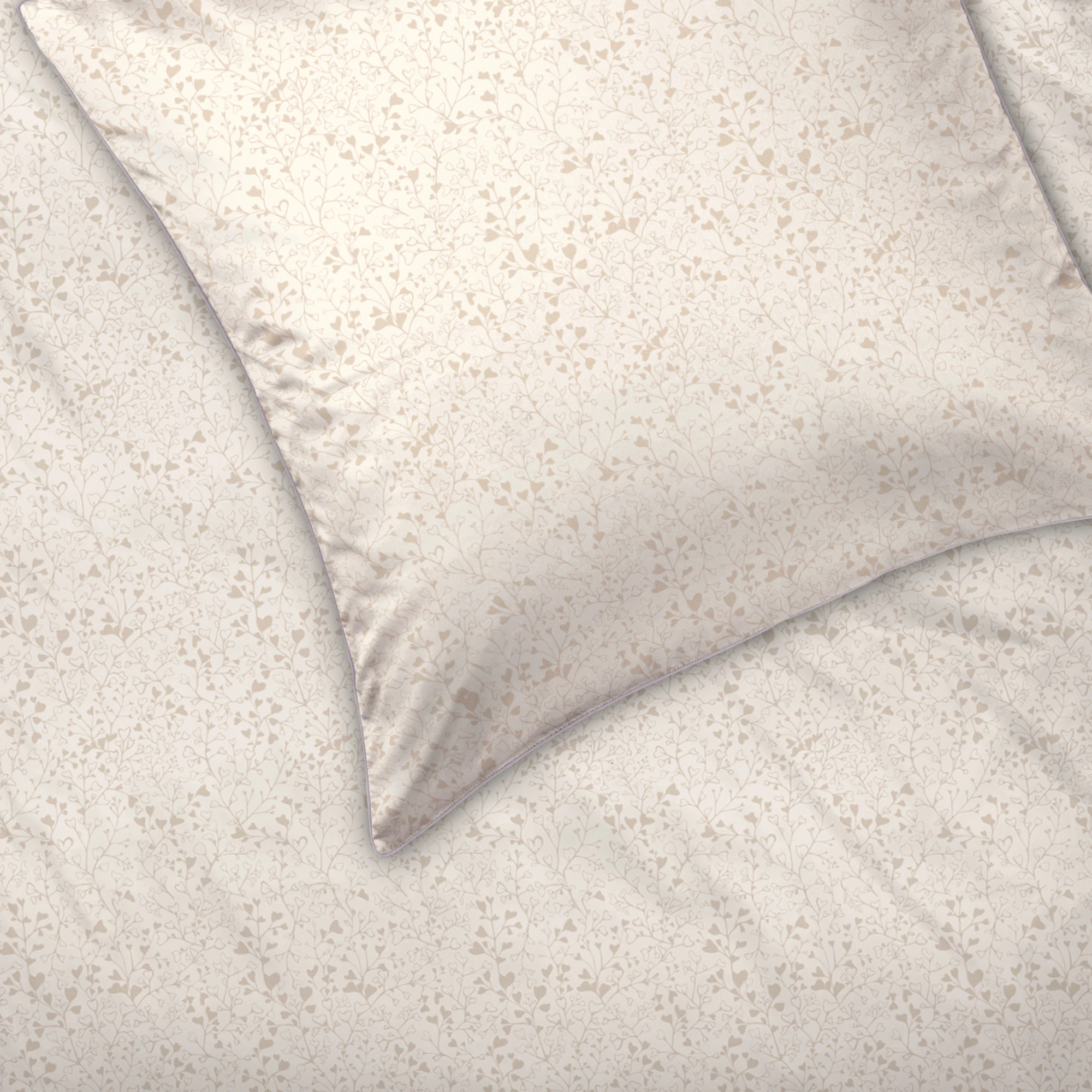
Bed Linen
Bed Linen: the second skin of your sleep
Bed linen influences your sleeping comfort, the temperature regulation at night and the overall feel of the bedroom more than most people imagine. With an average of 2,500 hours of contact per year, the fabric you sleep in is literally your second skin. On this page we show you which materials make up high-quality bed linen, which manufacturers form the pinnacle of the segment and how to care for your bed linen so that you can enjoy it for years.
What actually makes bed linen high-quality?
The question of how to define high-quality bed linen leads to three factors that work together: the material, the workmanship and the origin. Anyone who considers only one of these ends up buying a compromise product.
Long-staple cotton as the foundation of quality
The decisive starting point is the quality of the cotton. High-quality bed linen is woven from cotton fabrics that come from the best three per cent of the world's harvest – from so-called long-staple cotton. The longer the individual fibre, the finer and at the same time more tear-resistant the thread spun from it can be. This sounds like a technical detail, but it has immediate consequences for your sleep: the bed linen woven from it is lighter, more durable and still feels as good after years of use as it did on the first day.
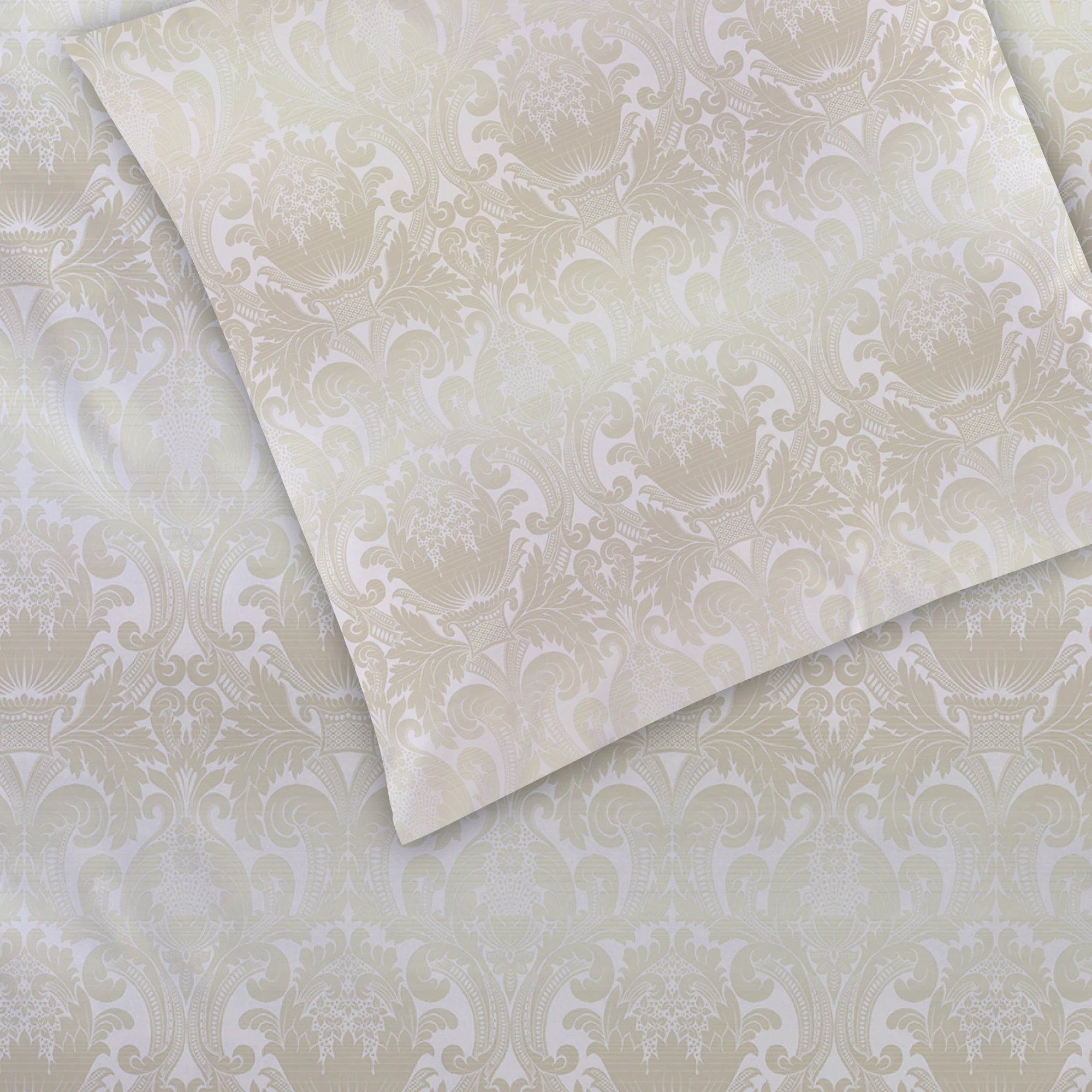
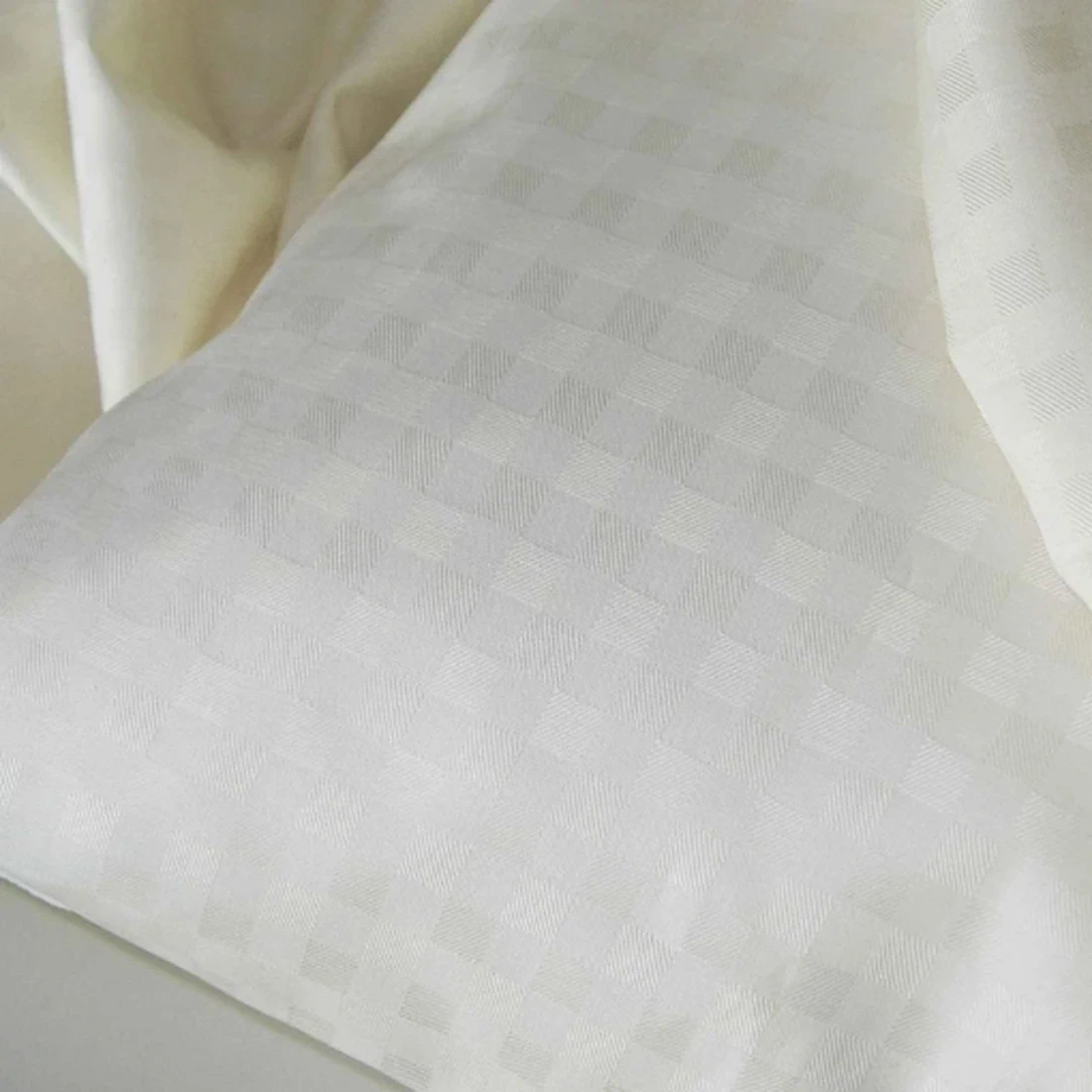
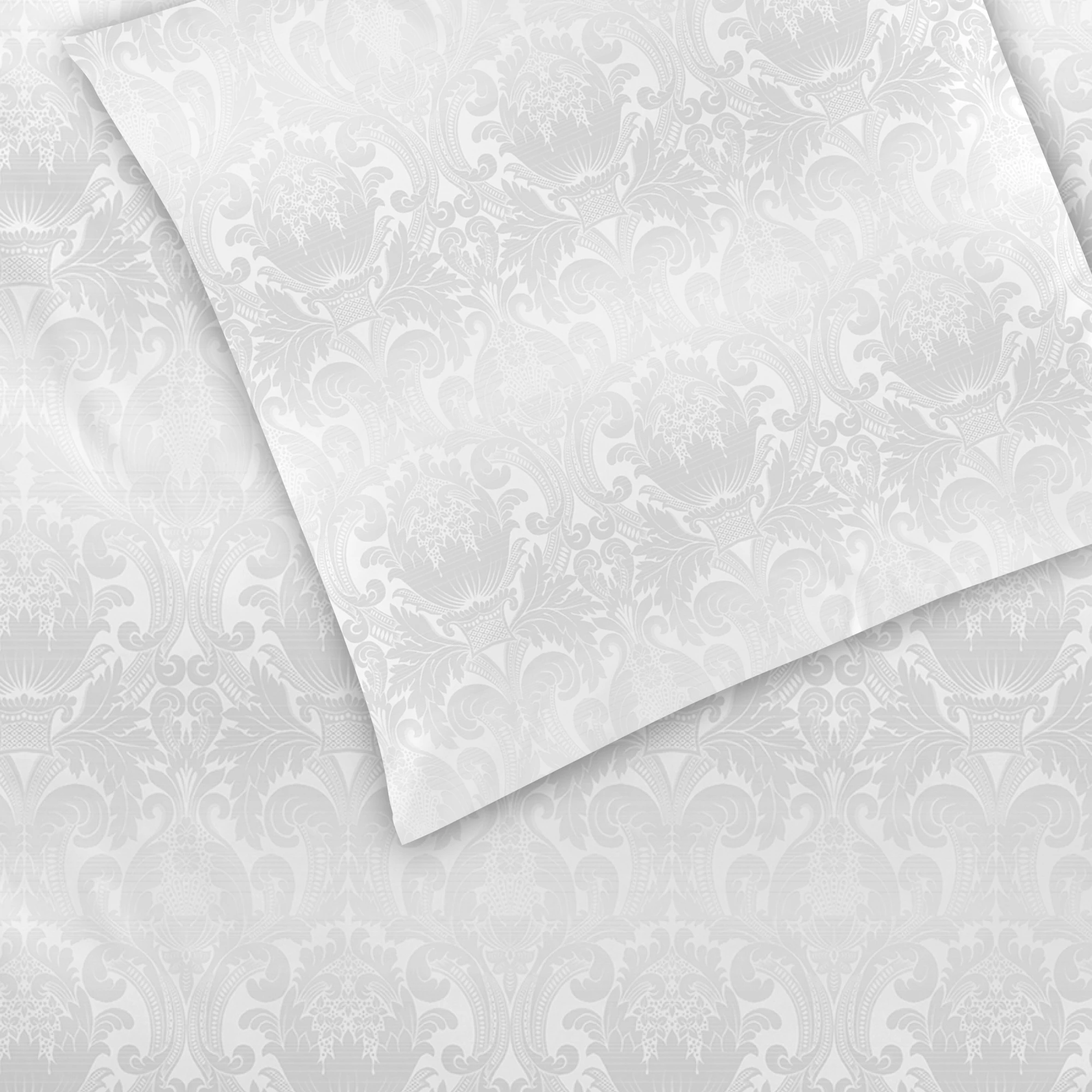
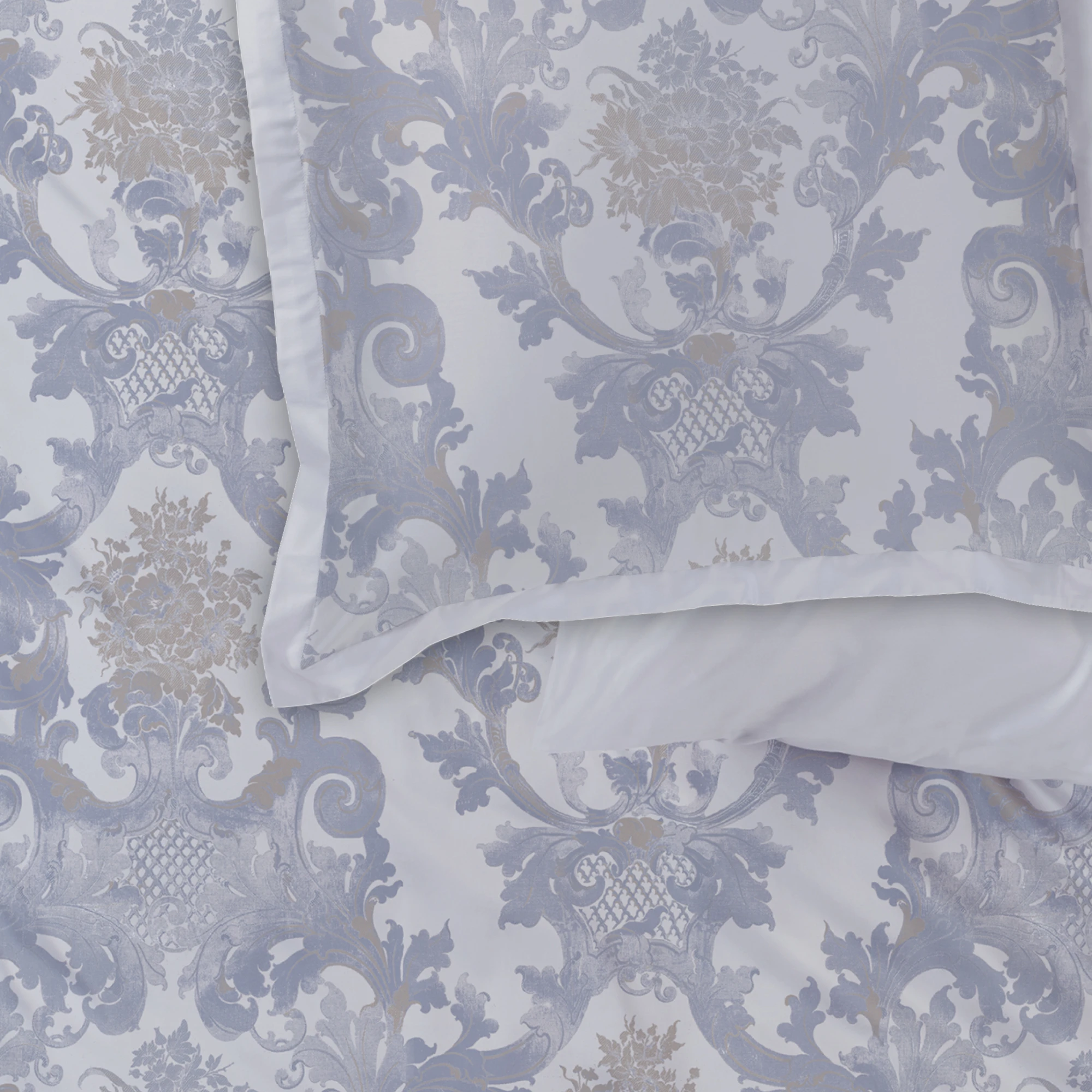
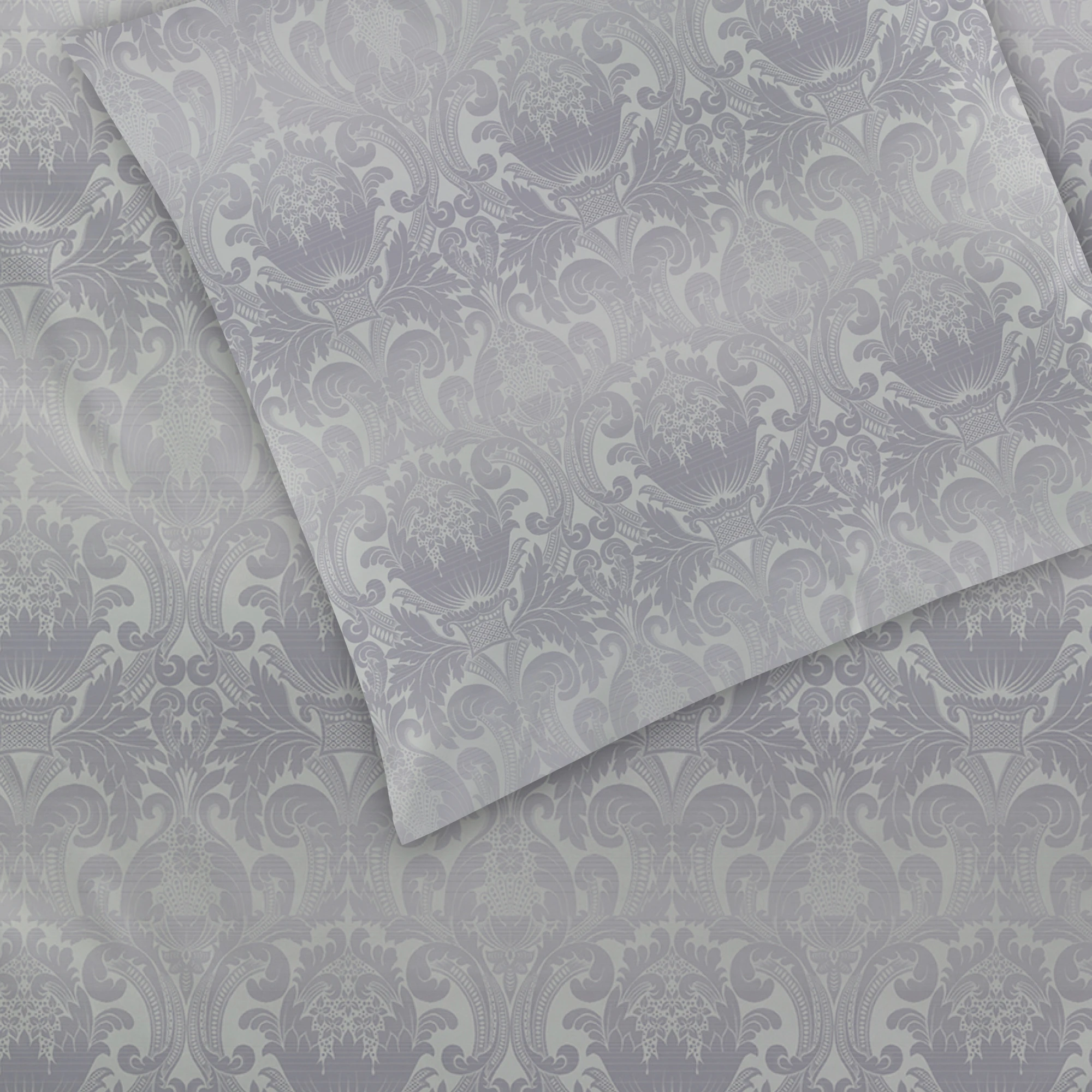
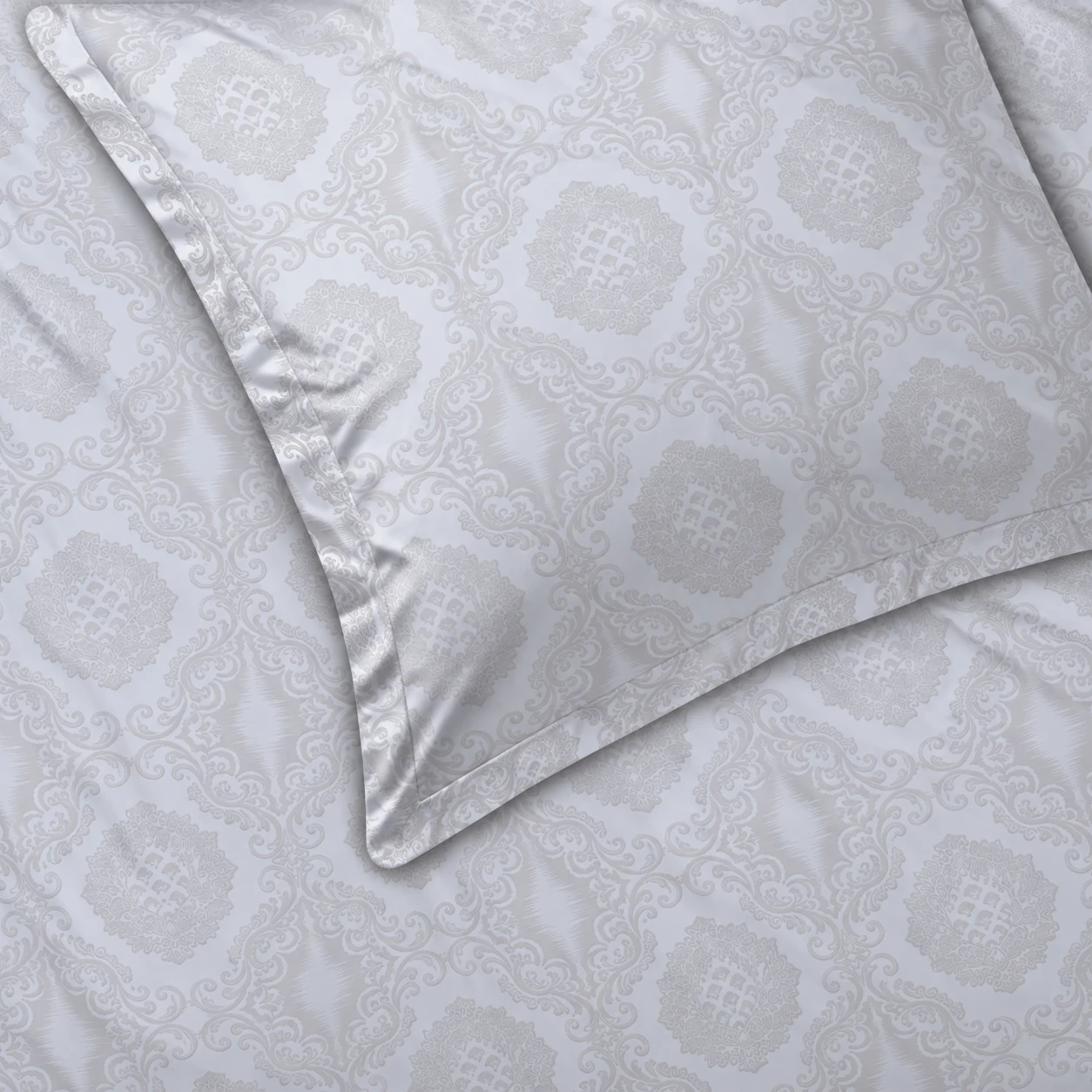
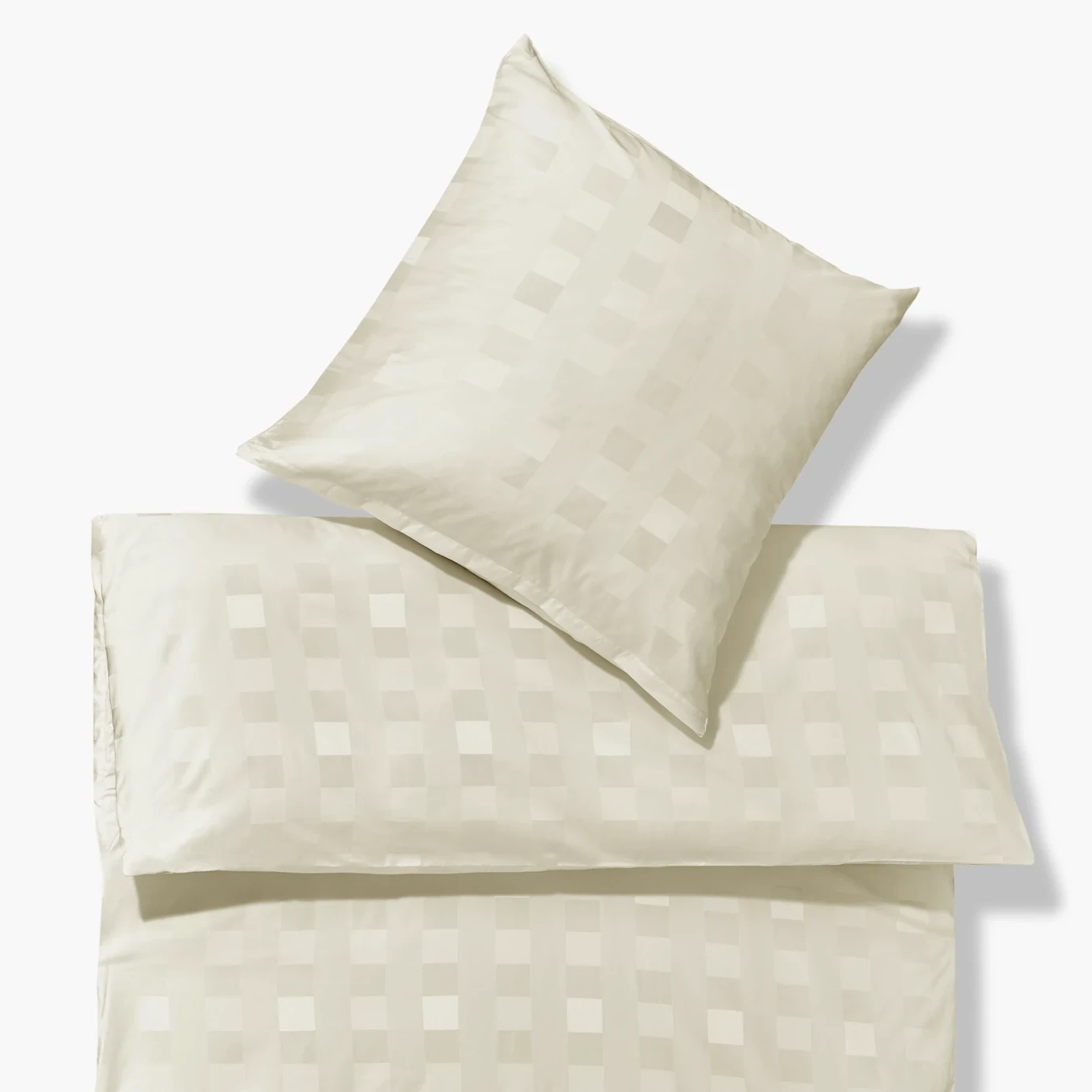
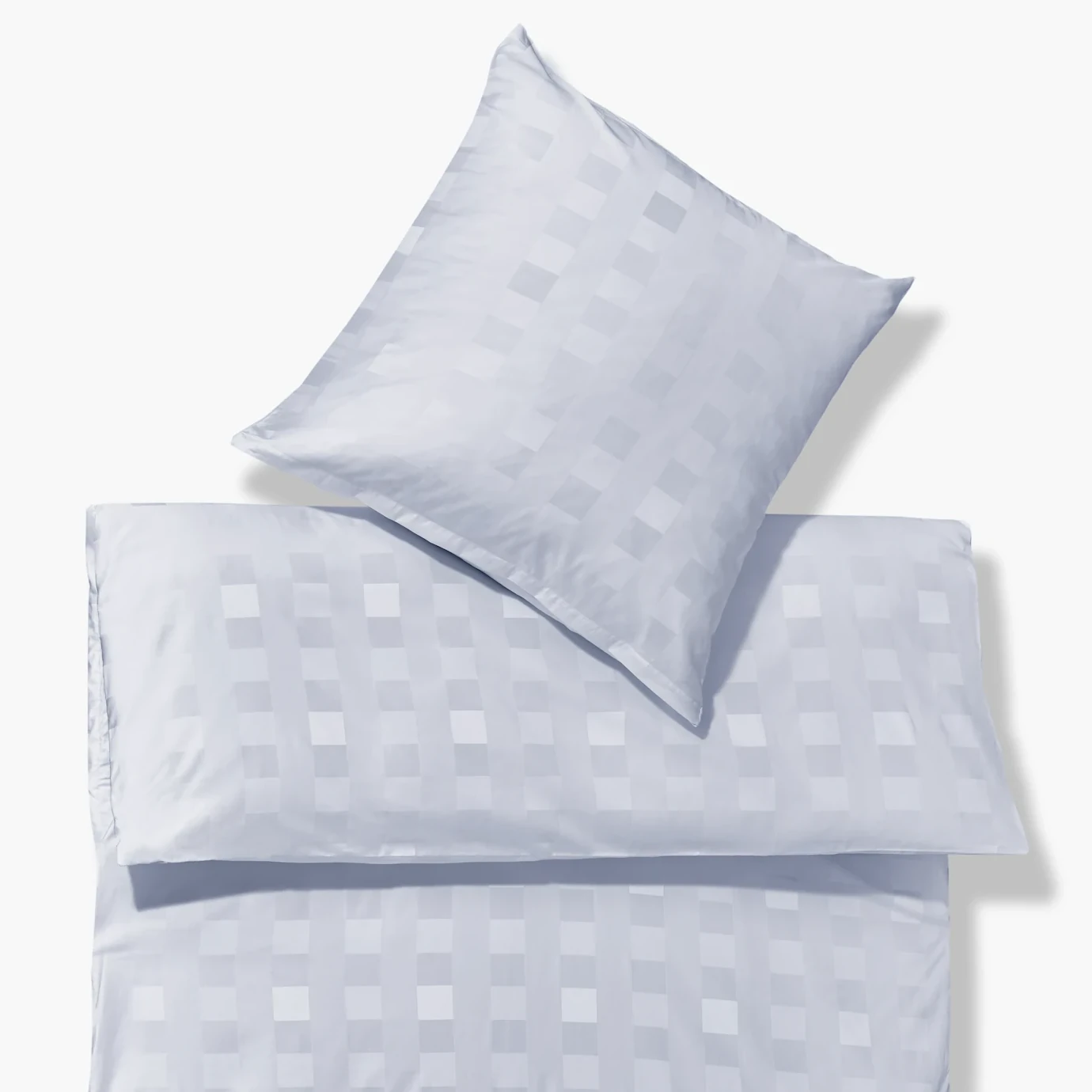
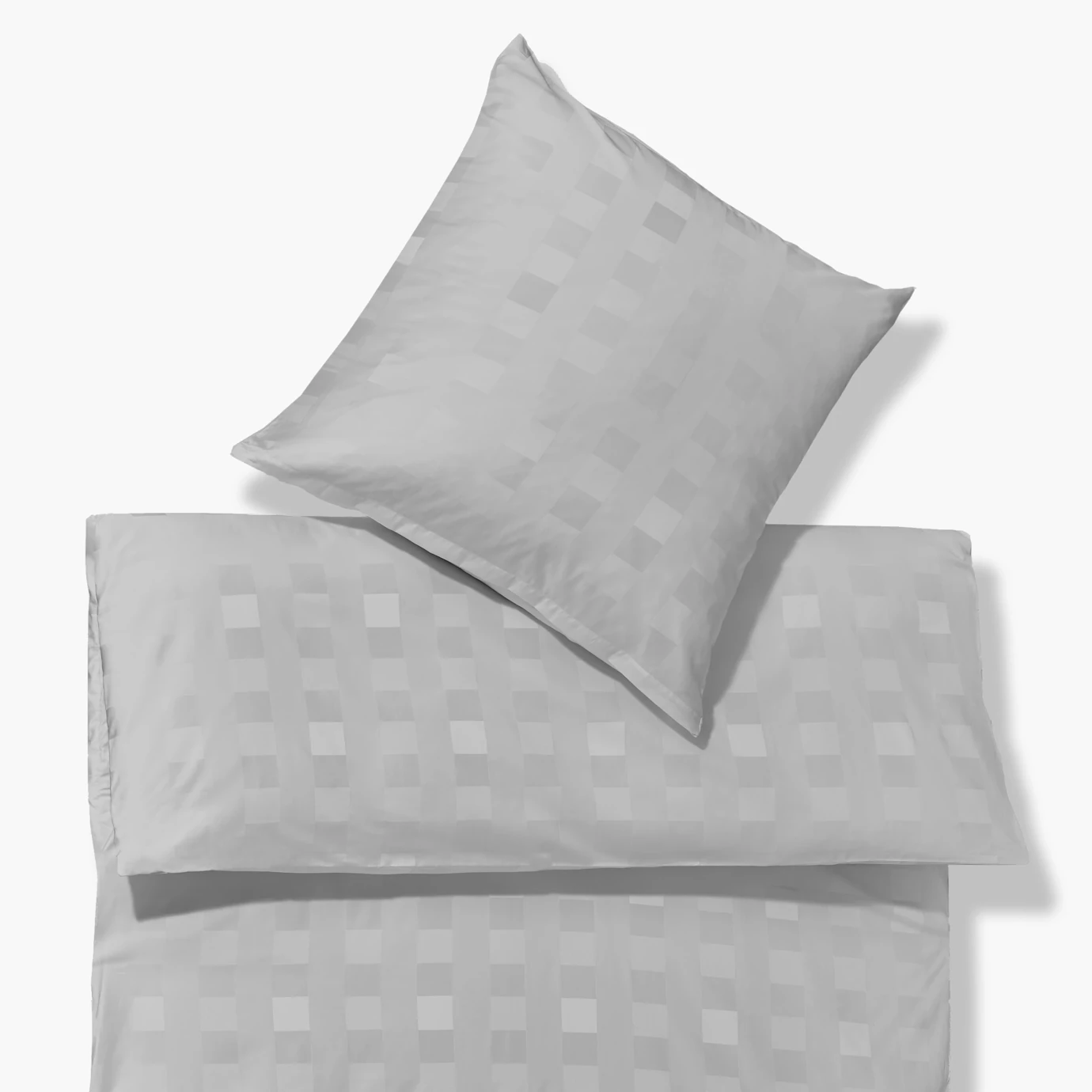
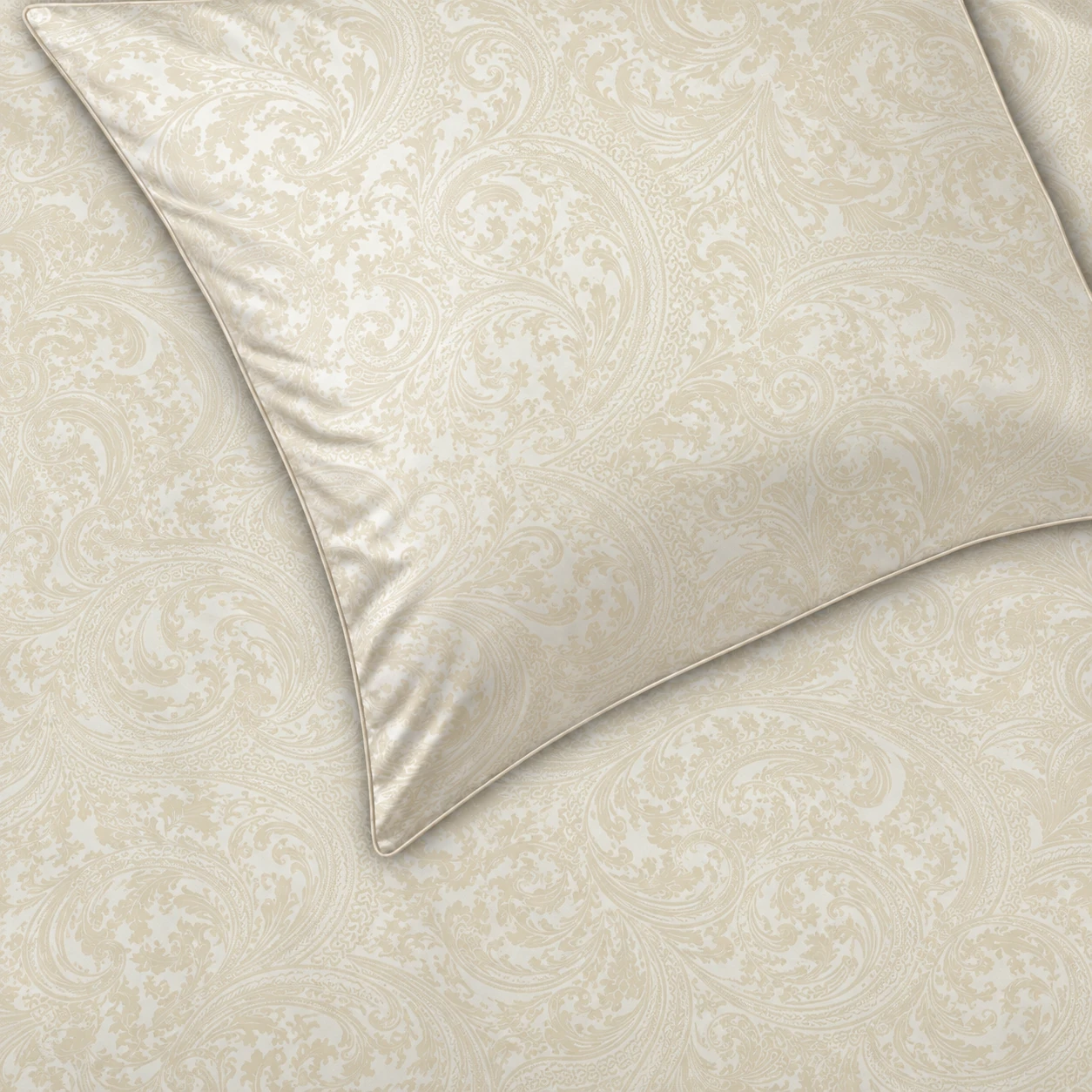
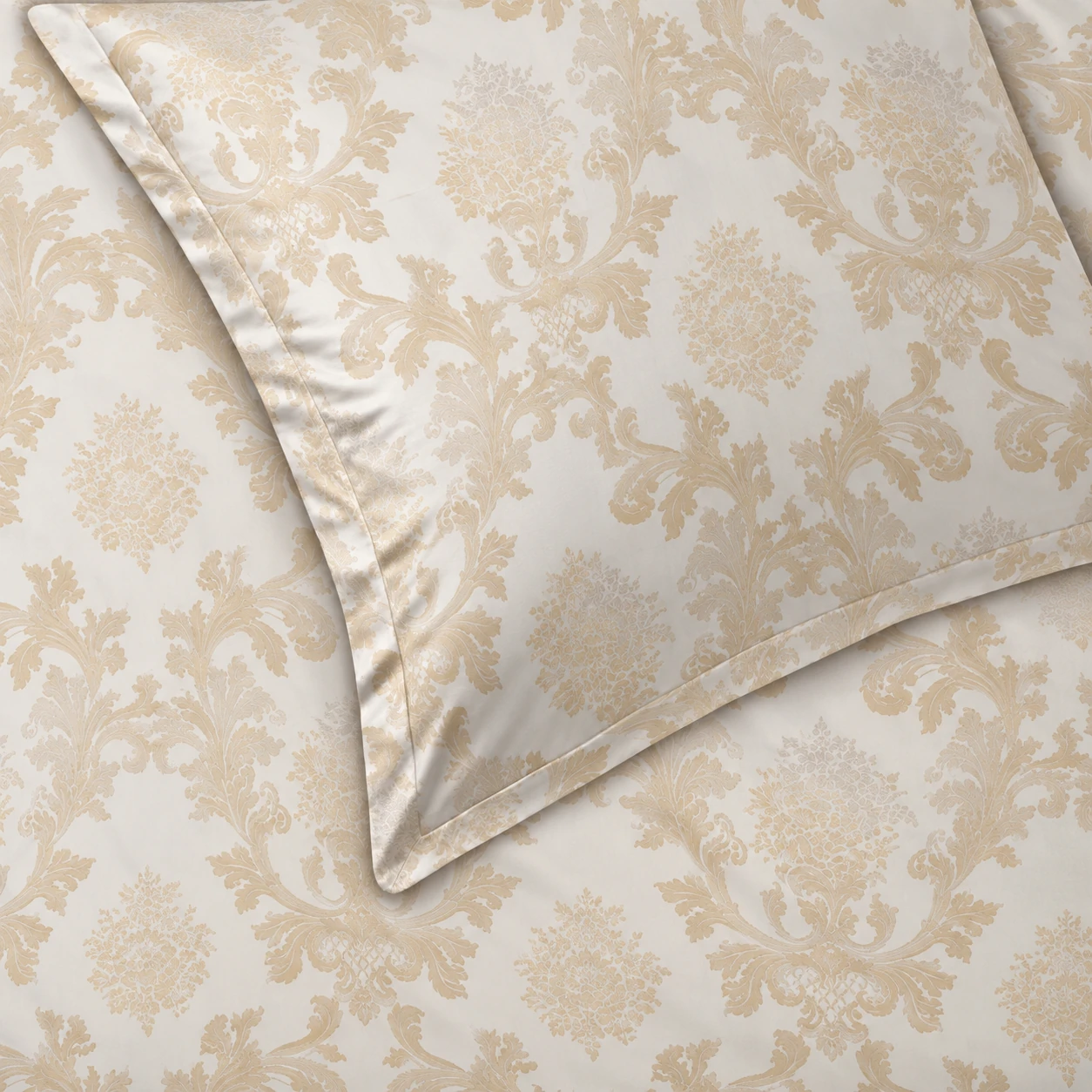
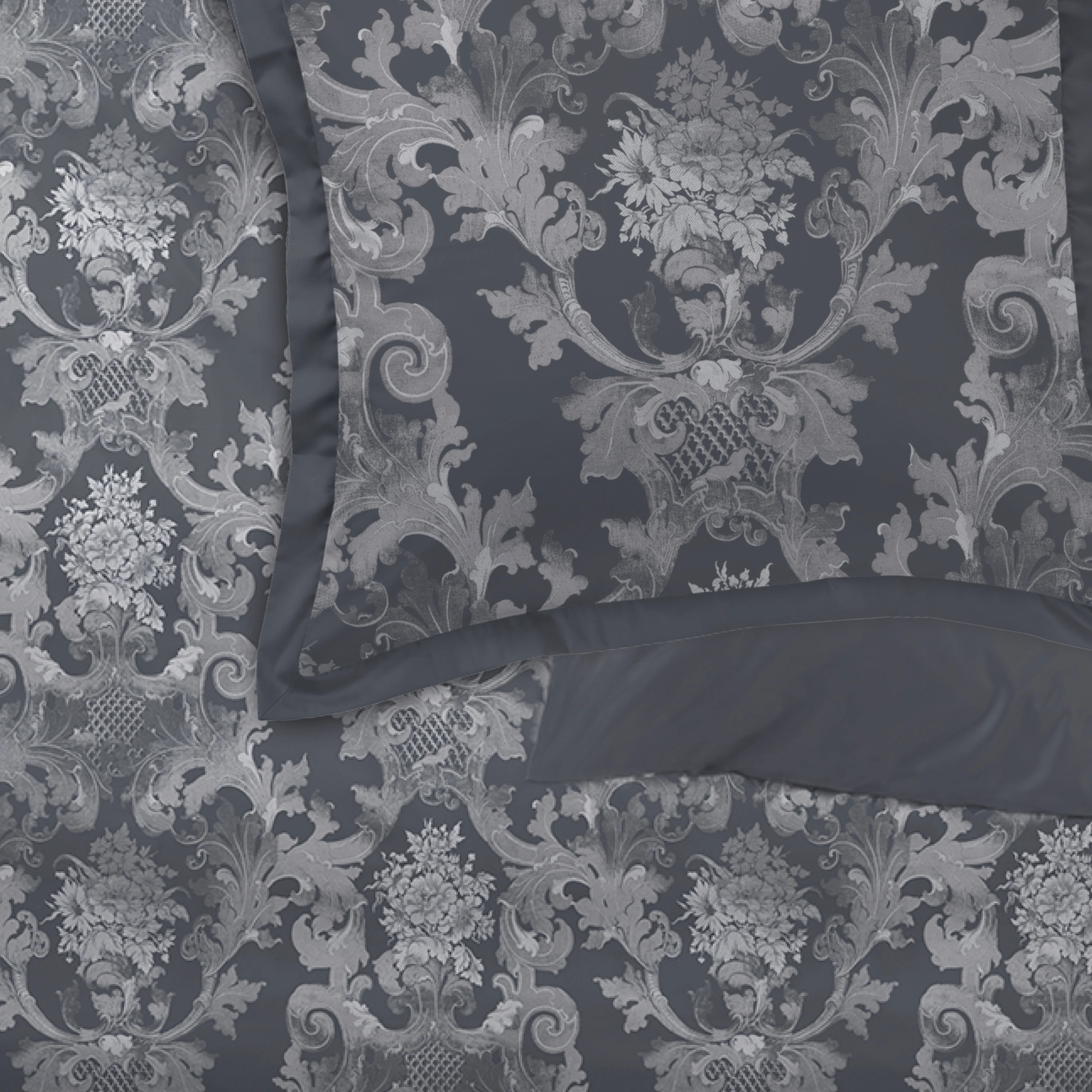
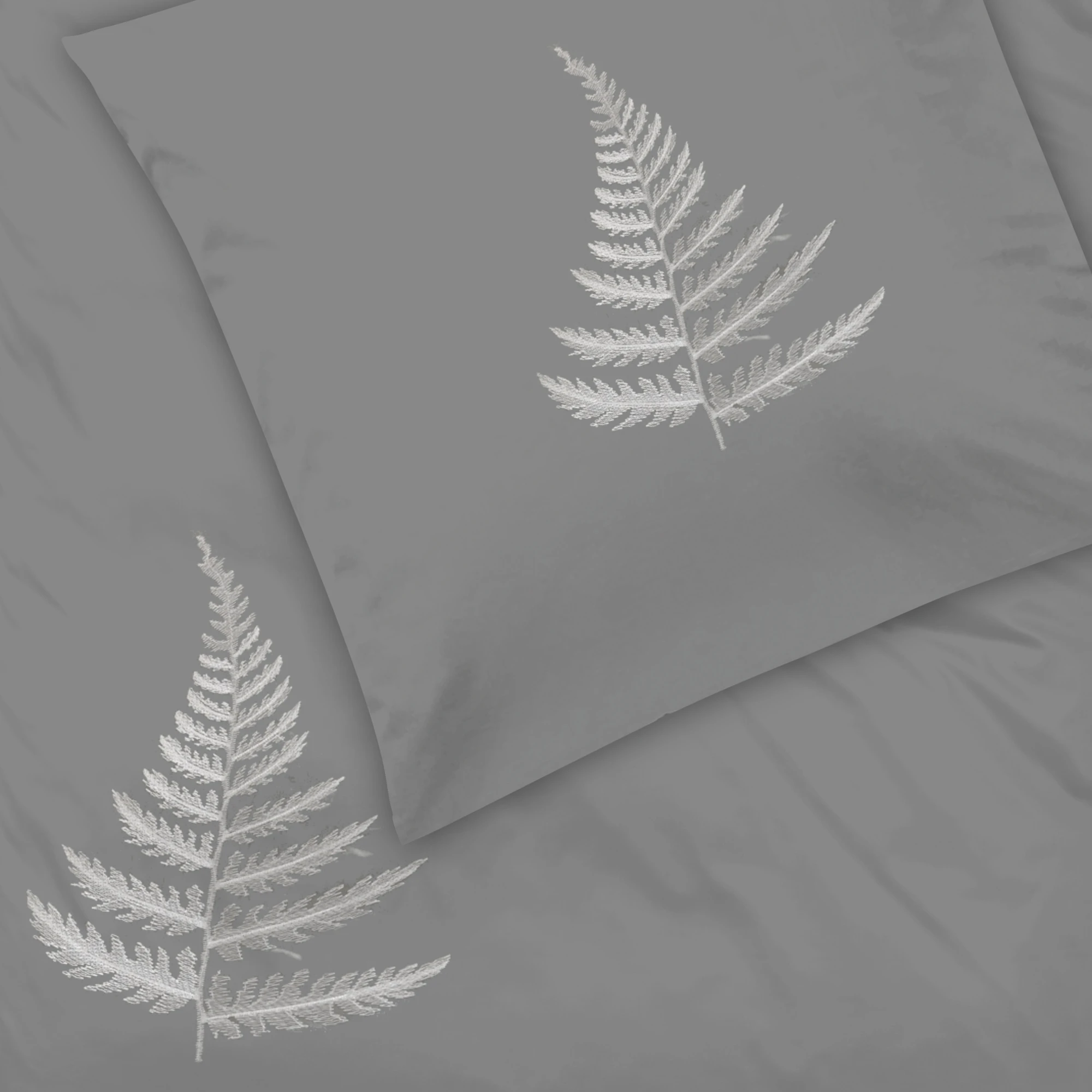
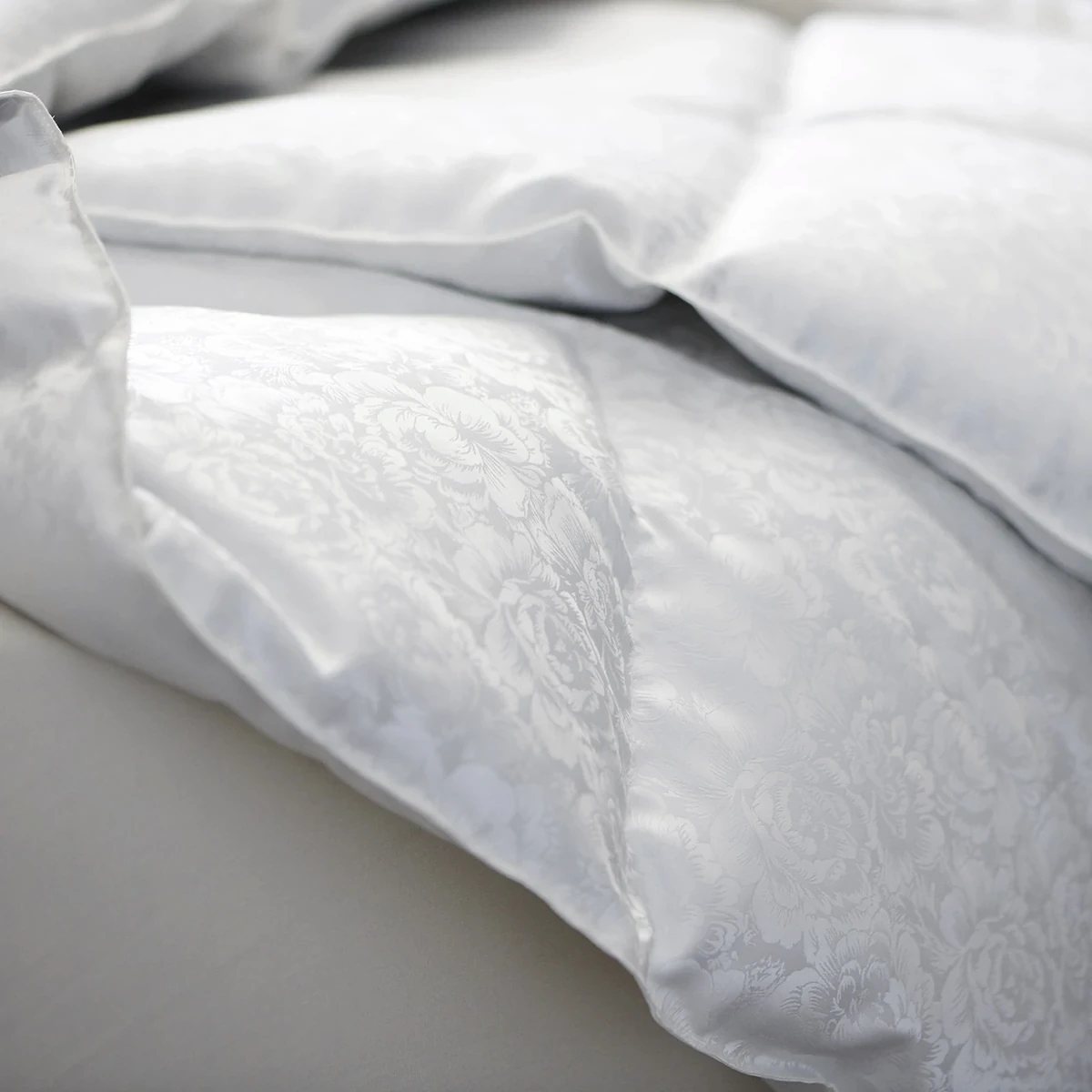
Another practical advantage: the finer twists allow considerably more intricate damask patterns, because the individual threads can be worked more precisely. This is why ornaments and patterns on premium bed linen appear sharper and more contrast-rich than on standard products.
Production in the EU and natural prints
Premium brands produce predominantly within the European Union. The prints are usually applied with natural colours and through a special heat process, not chemically. This has two consequences: the colours are more intense and last longer, and the bed linen is kinder to the skin – an important aspect for people with sensitive skin or a tendency to allergies.
Individualisation instead of mass-produced goods
With high-quality bed linen you are not buying off-the-peg products. Many of the premium brands accommodate individual wishes regarding size, colour and combination. If you need an oversize or would like a special colour combination, this is often possible for a surcharge. Please do get in touch with us about this – we will advise you personally and place the enquiry with the manufacturer.
Sustainability for generations
What is marketed today as a modern sustainability concept has been lived by our premium brands for decades. The materials are made to order, not to stock – this prevents overproduction and the destruction of unsold goods. Collections are designed to last, so that even after years you can re-order or add to a favourite design. This is sustainability through living tradition, not through marketing.
Materials and fabric types in premium bed linen
Alongside the question of cotton quality comes the question of the material and the weave. The two are often confused, but they are not the same: the material is the fibre (cotton, linen, silk, Micromodal), the weave is the way in which fabric is created from it (satin, percale, jersey, damask).
Premium materials: what makes the fibre
Pure Linen is the premier class among plant fibres – high-priced, but with exceptional climate-regulating properties, especially for warm nights. Half-linen is a blended fabric with around 50% cotton content and is priced considerably below that, often at least €150 cheaper per set than pure linen, while retaining many of the advantages.
Pure Silk is the equivalent of the best and most expensive material one can sleep in – kind to the skin, temperature-balancing, incomparable to the touch. Cashmere cotton is a special feature, conceived similarly to half-linen: a material mix of cotton and cashmere wool, woven together. The result is particularly soft and gently warming – ideal for the transitional months.
Micromodal is a natural fibre obtained from beech wood. Thanks to a special manufacturing process, the finest fibres are created from the wood, which produce a particularly soft feel against the skin when worked. The rapid absorption of moisture promotes climate regulation and ensures a pleasant sleeping climate. The smooth surface gives colours an intense luminosity – which is why plain designs in Micromodal appear especially vibrant.
Weave types: the right structure for your sleeping type
The way in which a material is woven determines the feel against the skin and its suitability for different seasons. Well suited for the whole year is Mako Satin – the classic among the premium weaves with its characteristic sheen and soft, hugging feel. Percale is the matte, crisp-cool counterpart, ideal for people who like it fresh.
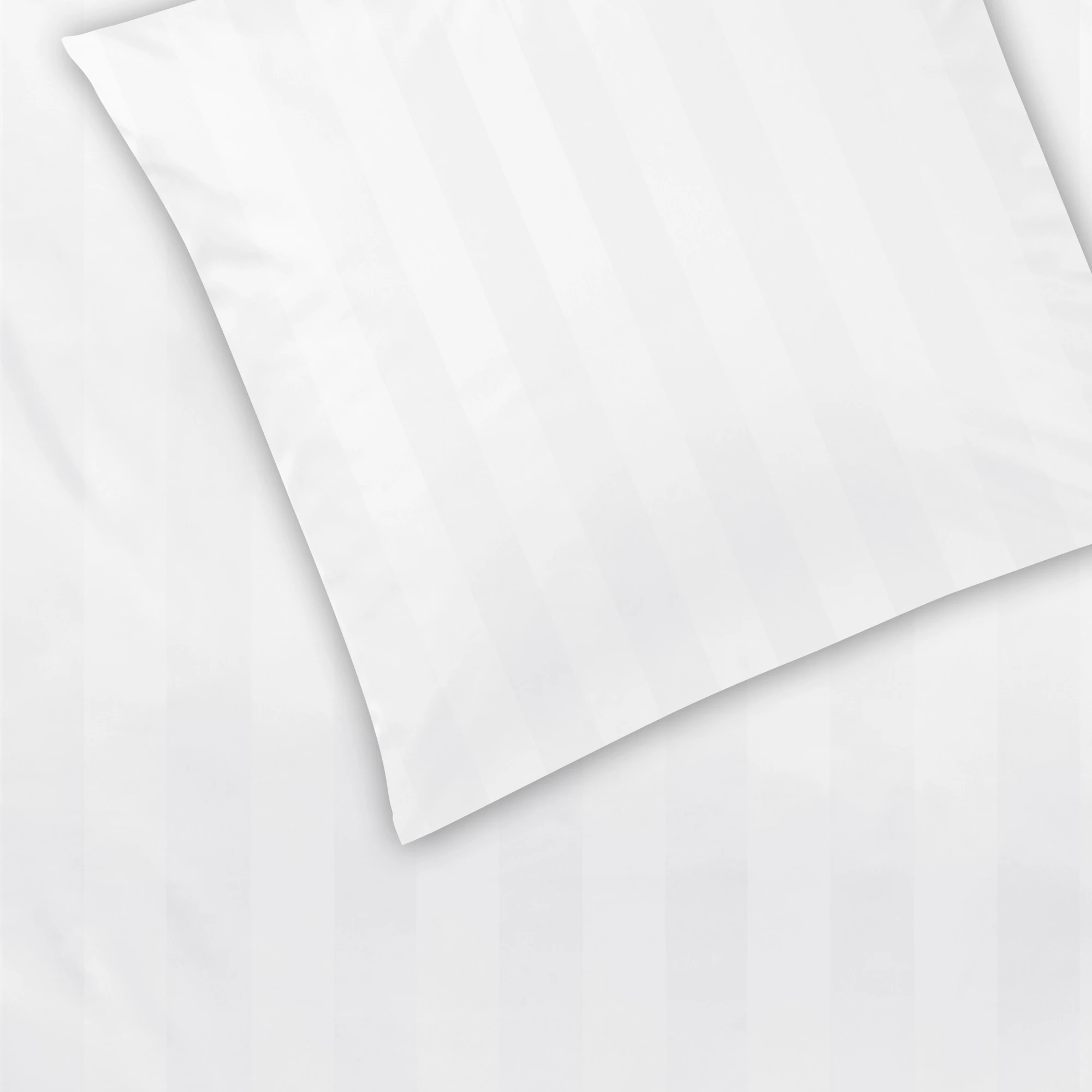
Jersey is knitted rather than woven and offers the comfortable, soft feel of a high-quality T-shirt. Damask bed linen impresses with woven-in patterns and a refined, slightly lustrous surface. Seersucker with its characteristic crinkle structure does not need to be ironed and is superbly suited to summer nights. Muslin is airy and light and likewise suitable for summer, with a delicate feel. Poplin is tightly woven and particularly easy to care for. Flannel is, finally, the winter classic – brushed, warm and cosy.
The most important premium bed linen brands in our shop
We stock over a dozen high-quality bed linen brands, all of which have a clear profile. Five houses stand out in particular and are presented in detail here. You will find all the other brands at the end of this section, with links to the respective brand pages.
Schlossberg Bed Linen
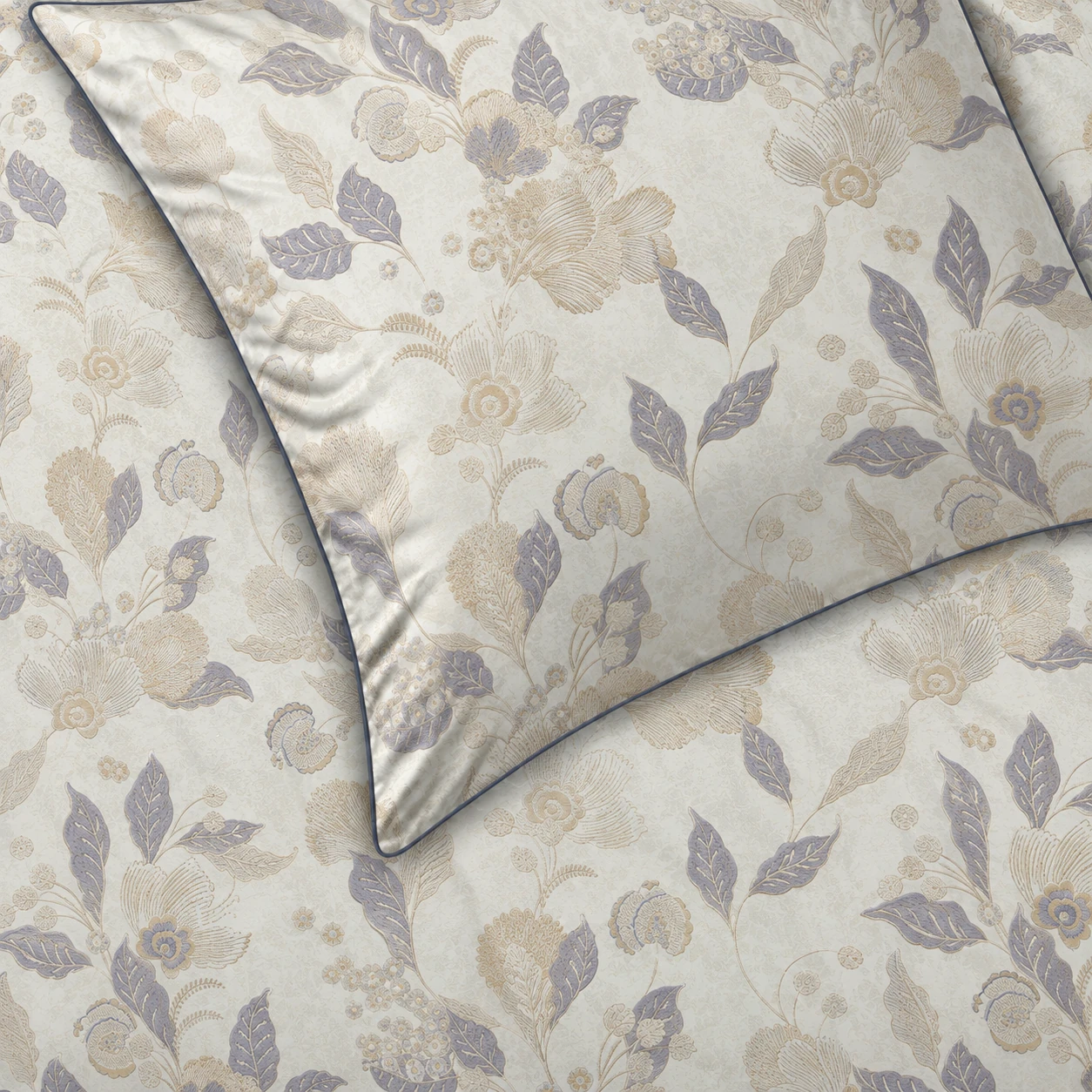
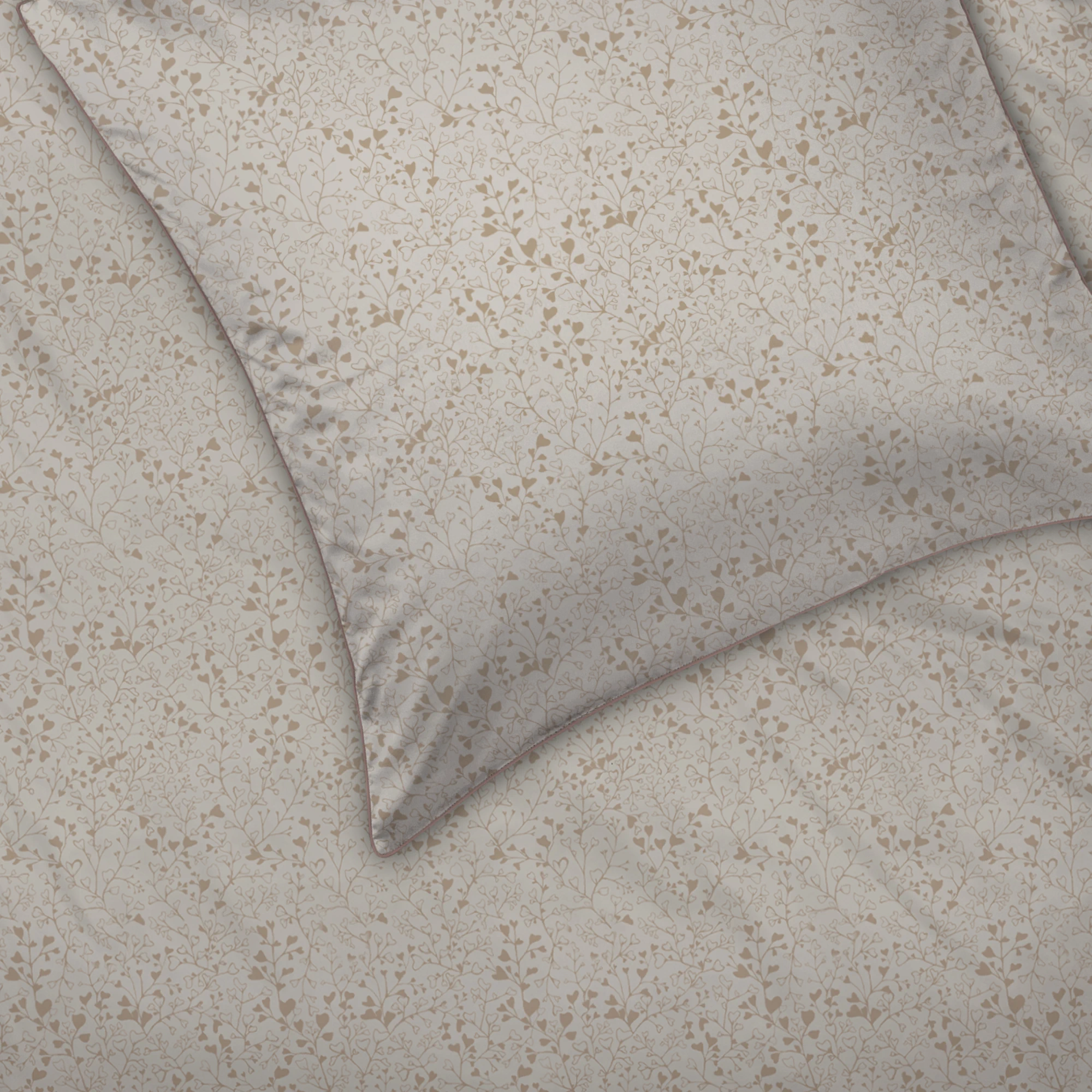
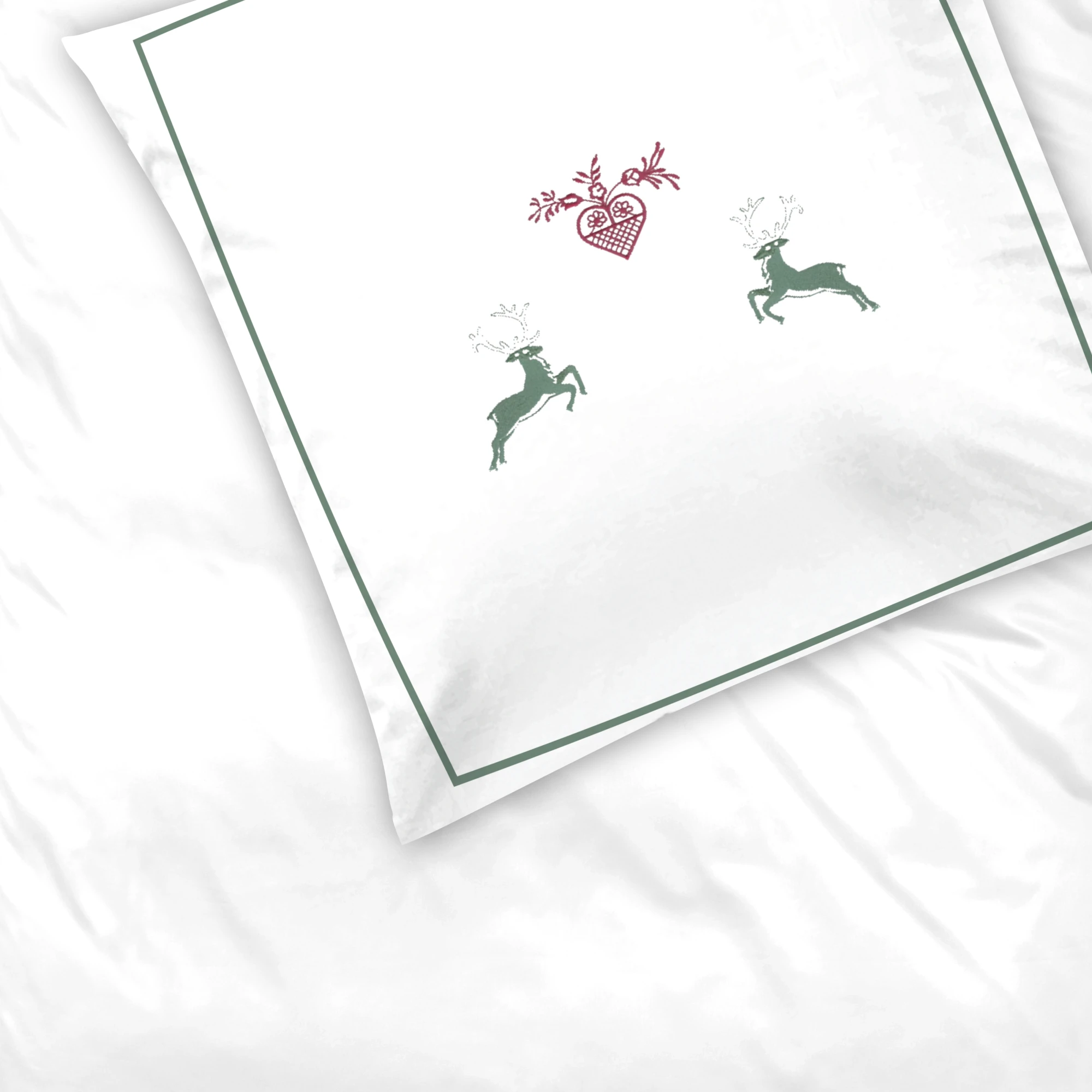
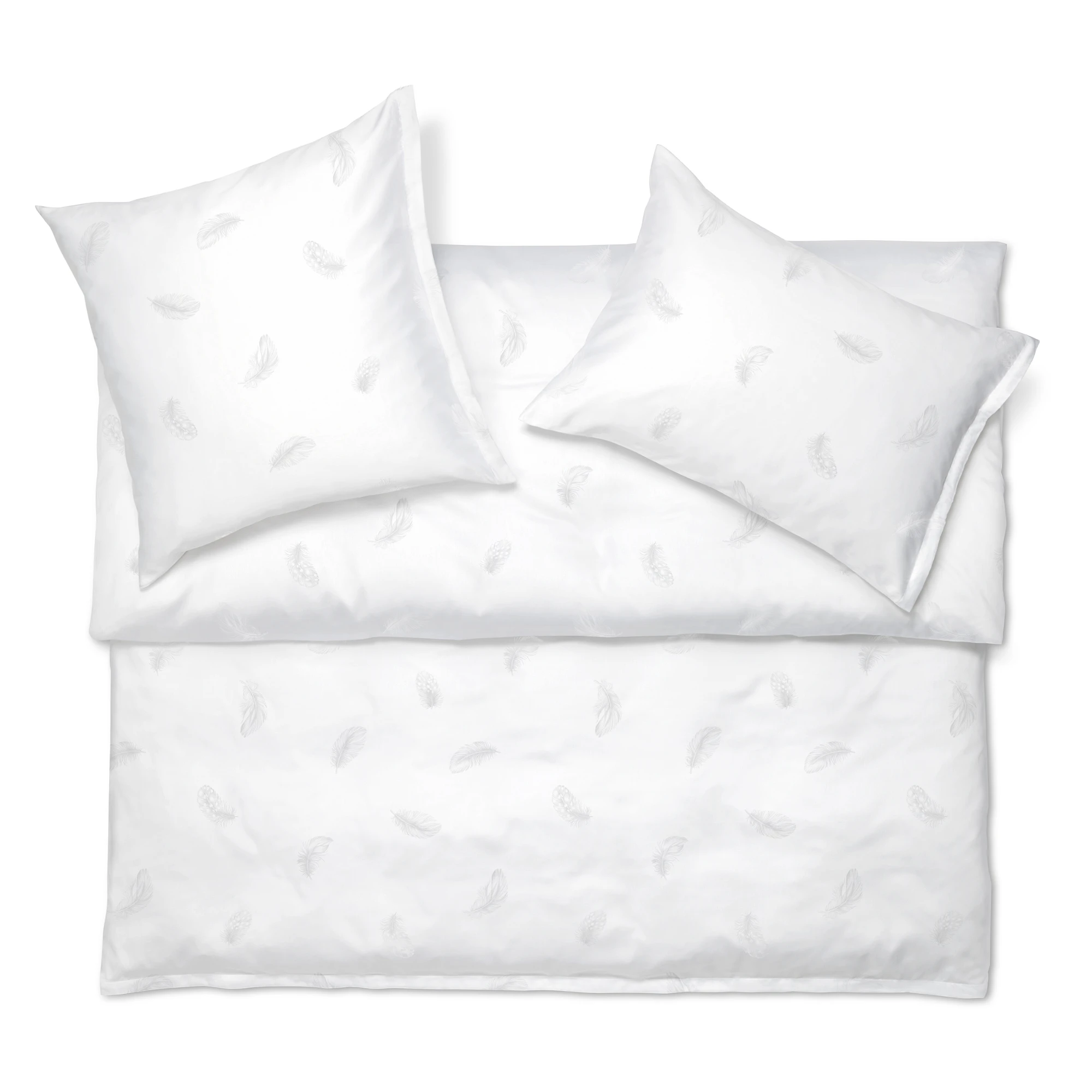
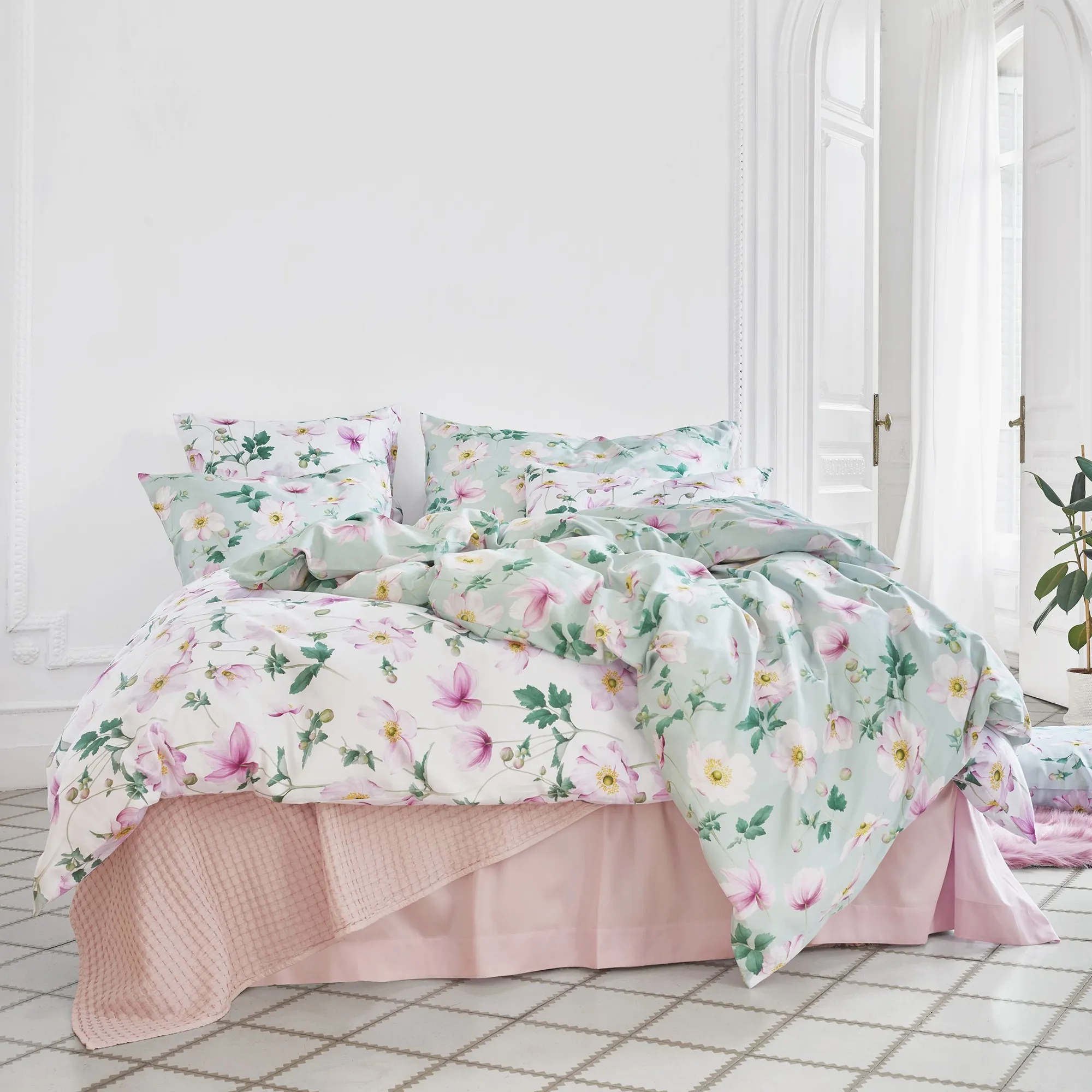
Schlossberg is known for especially lavish floral motifs and award-winning jersey. The traditional Swiss house offers a broad portfolio of weaves and finishes. One special feature is the flannel, which is finished with a piped trim and thereby combines cosy qualities with a refined look. The magnificent colours recur throughout all the designs and offer many ways to express personality in the bedroom – in absolute top quality. Schlossberg also offers a children's range, with which the little ones too can be furnished with luxurious items.
Graser Bed Linen
Graser from Germany works with the most exquisite fabrics and offers the most extensive individualisation options on the market. Here no wish goes unfulfilled: whatever is possible in the field of textiles is made possible. The customer takes centre stage. Anyone prepared to invest in this exquisite bed linen gets it exactly as they want it – without compromise and with the Made in Germany seal. The collections are characterised by a strong, compelling tradition.
Curt Bauer Bed Linen
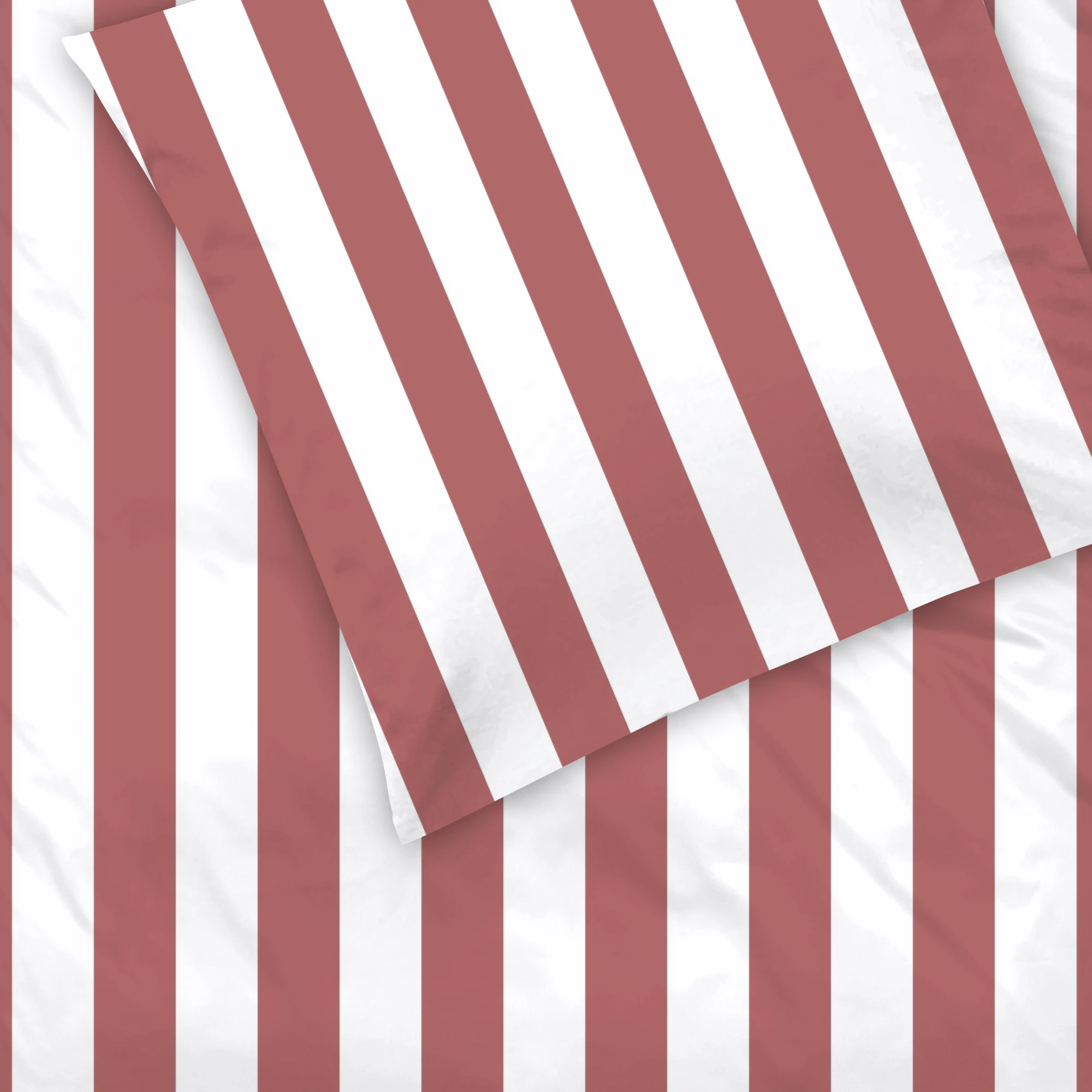
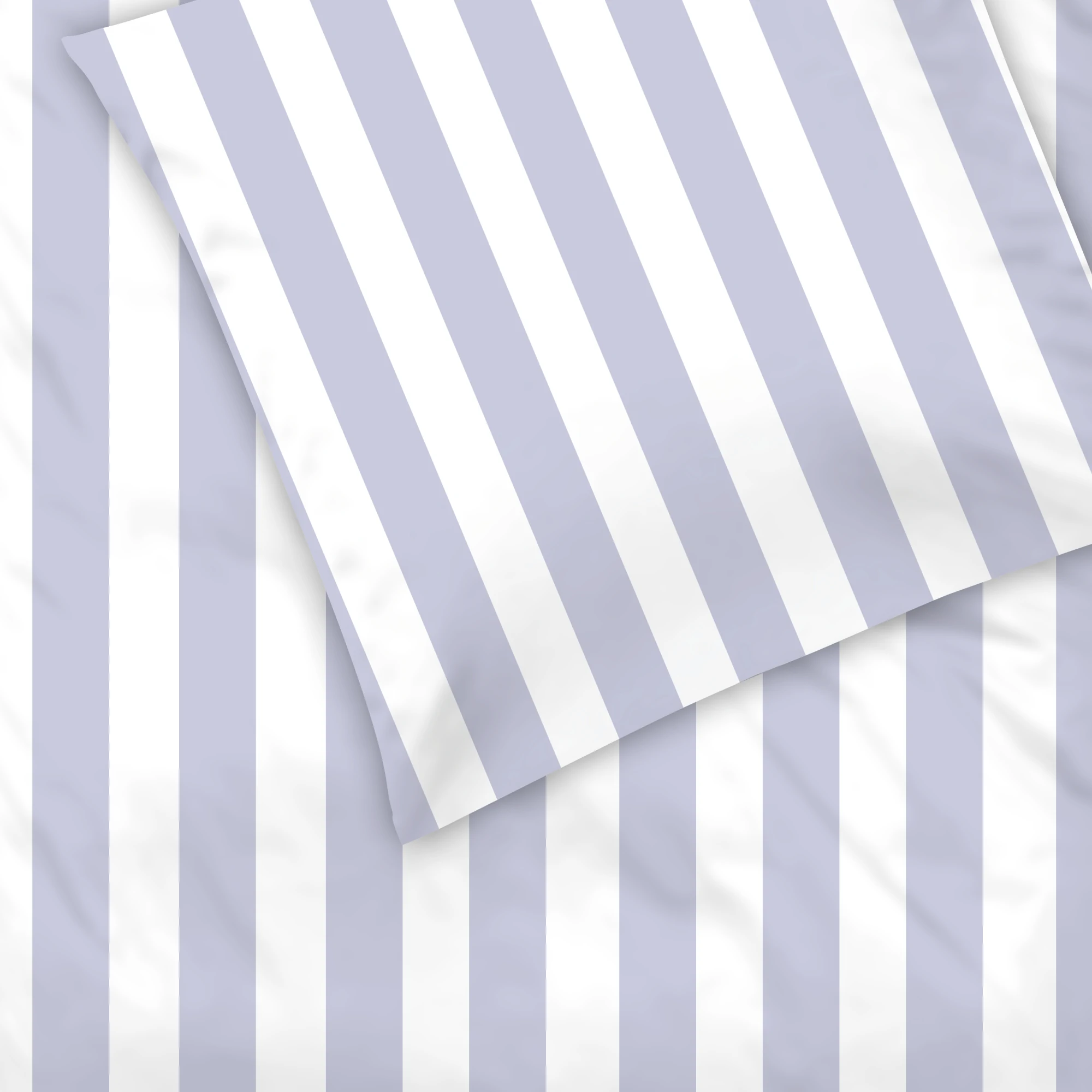
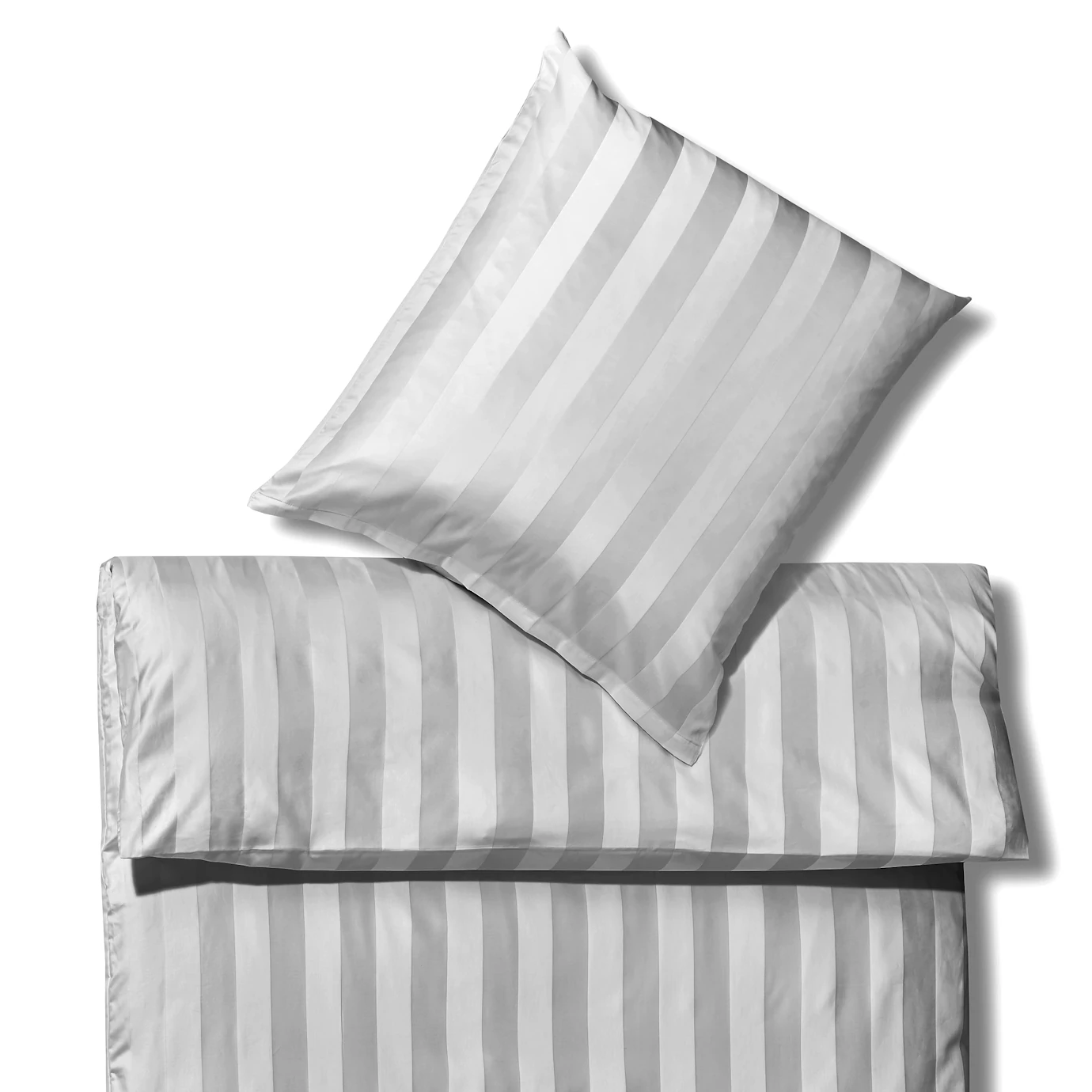
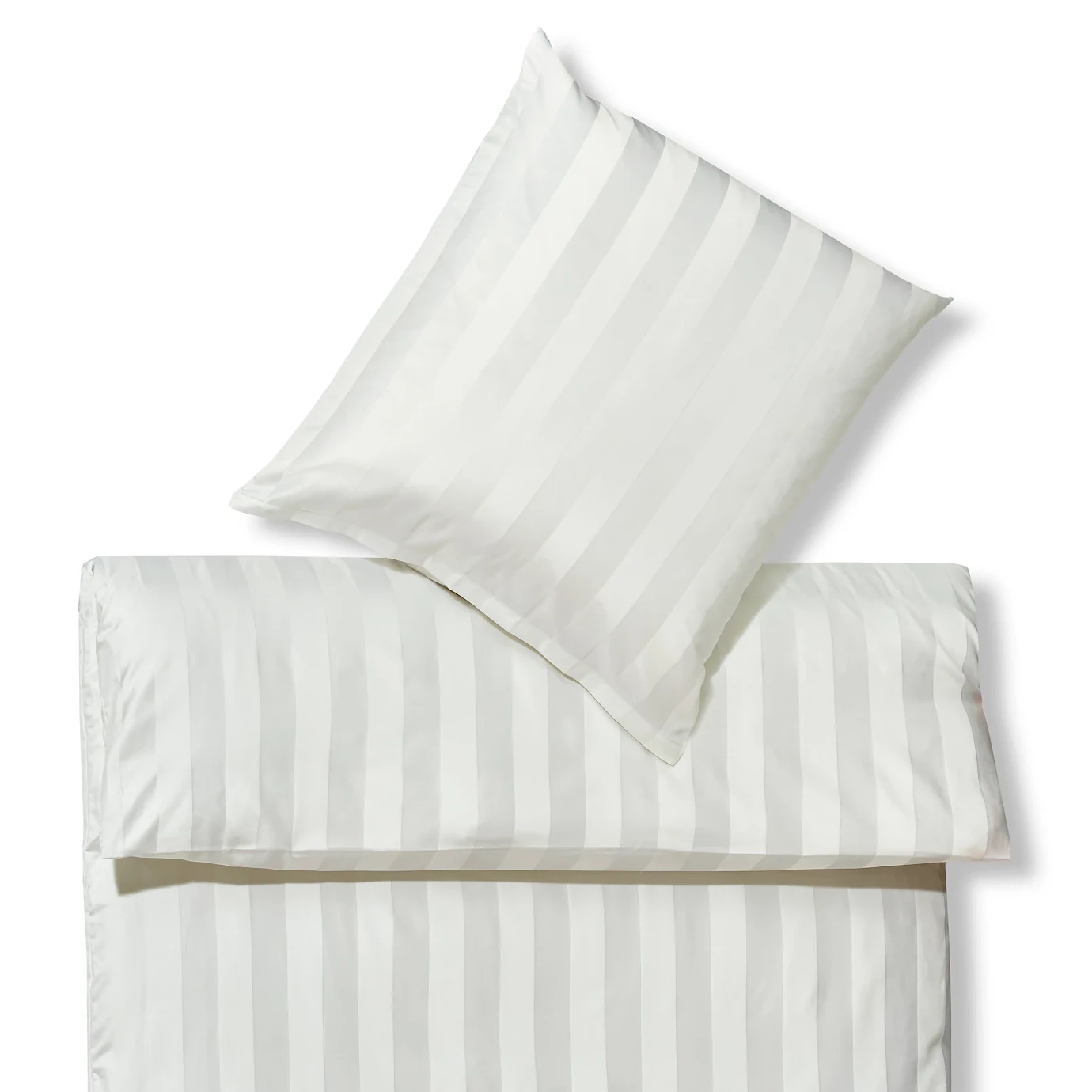
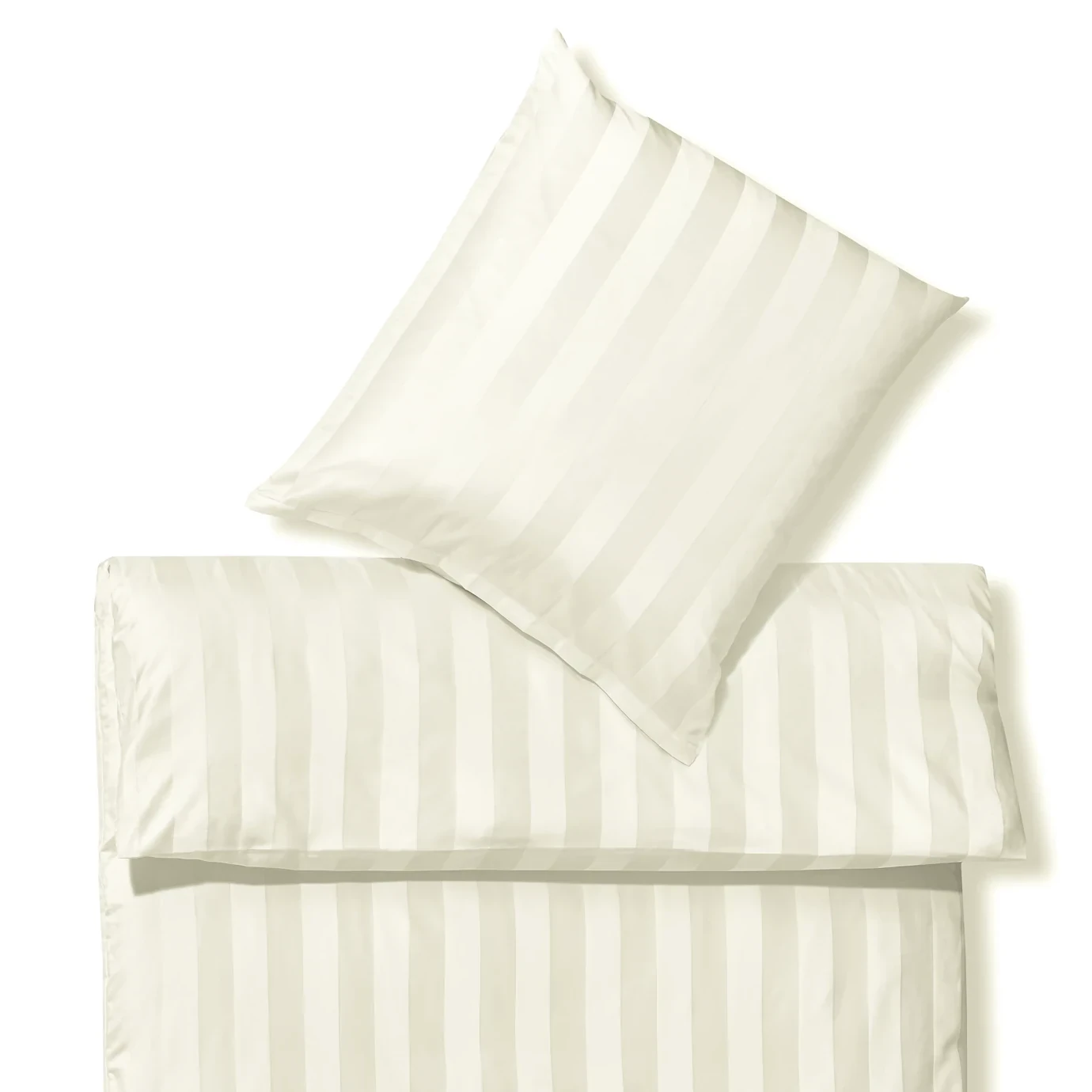
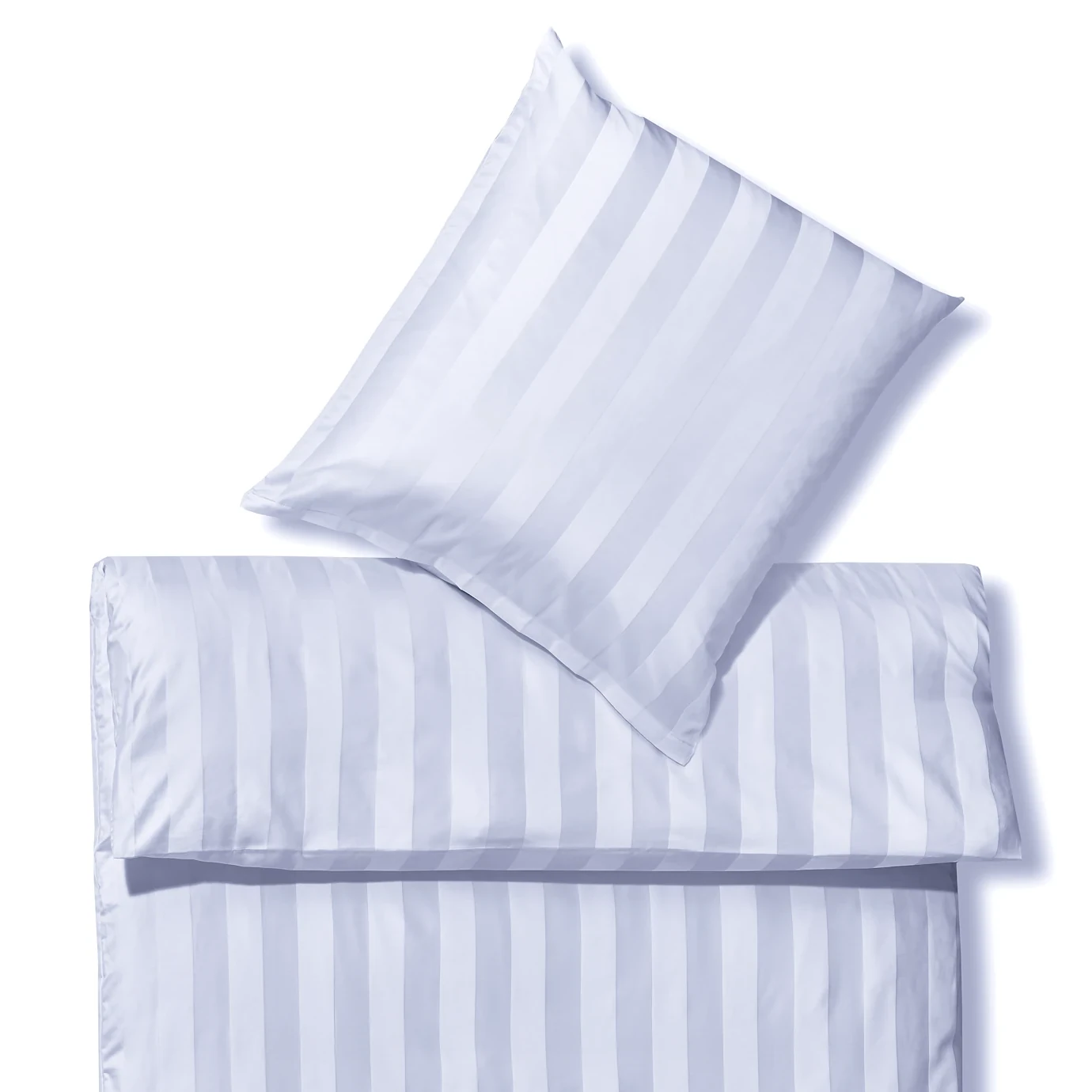
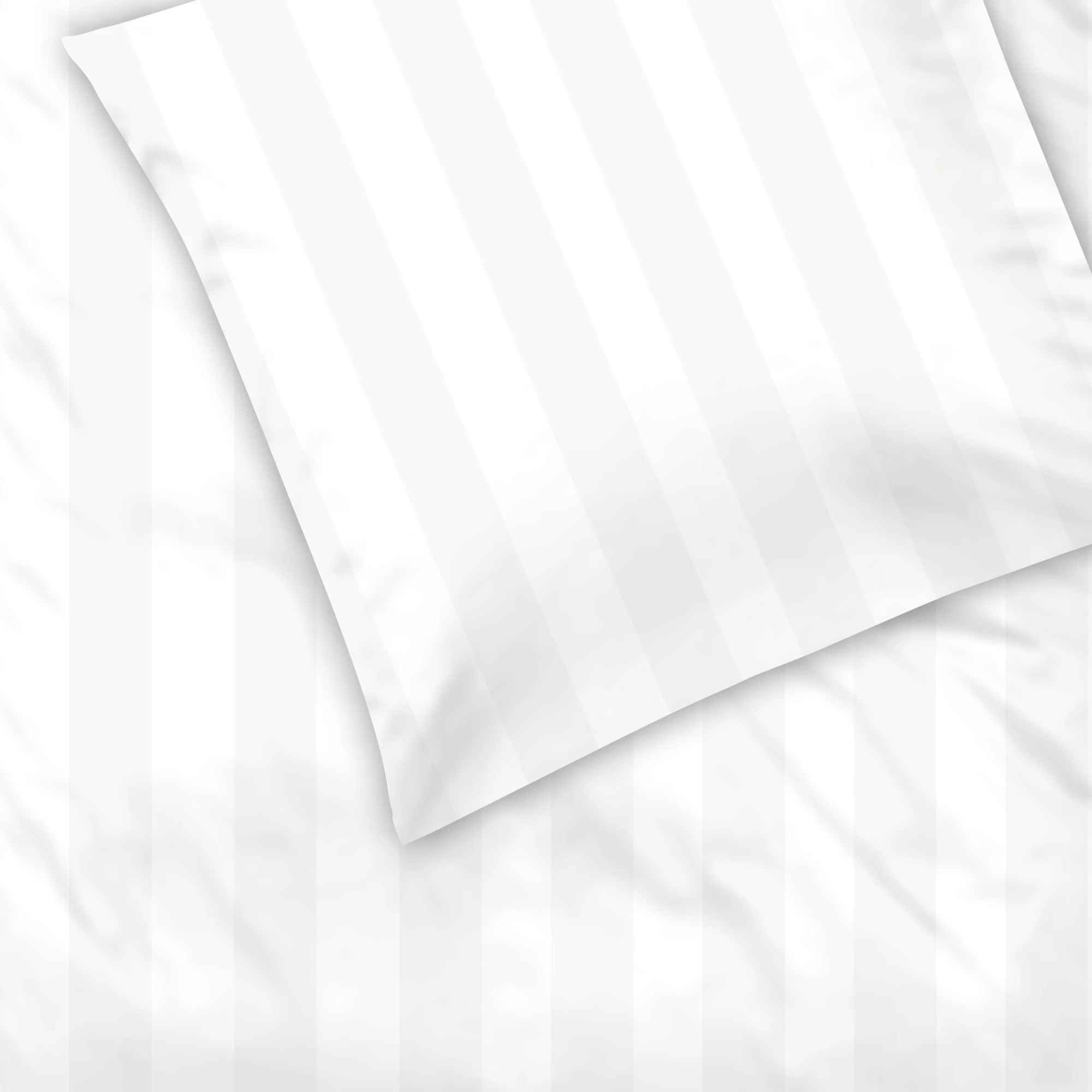
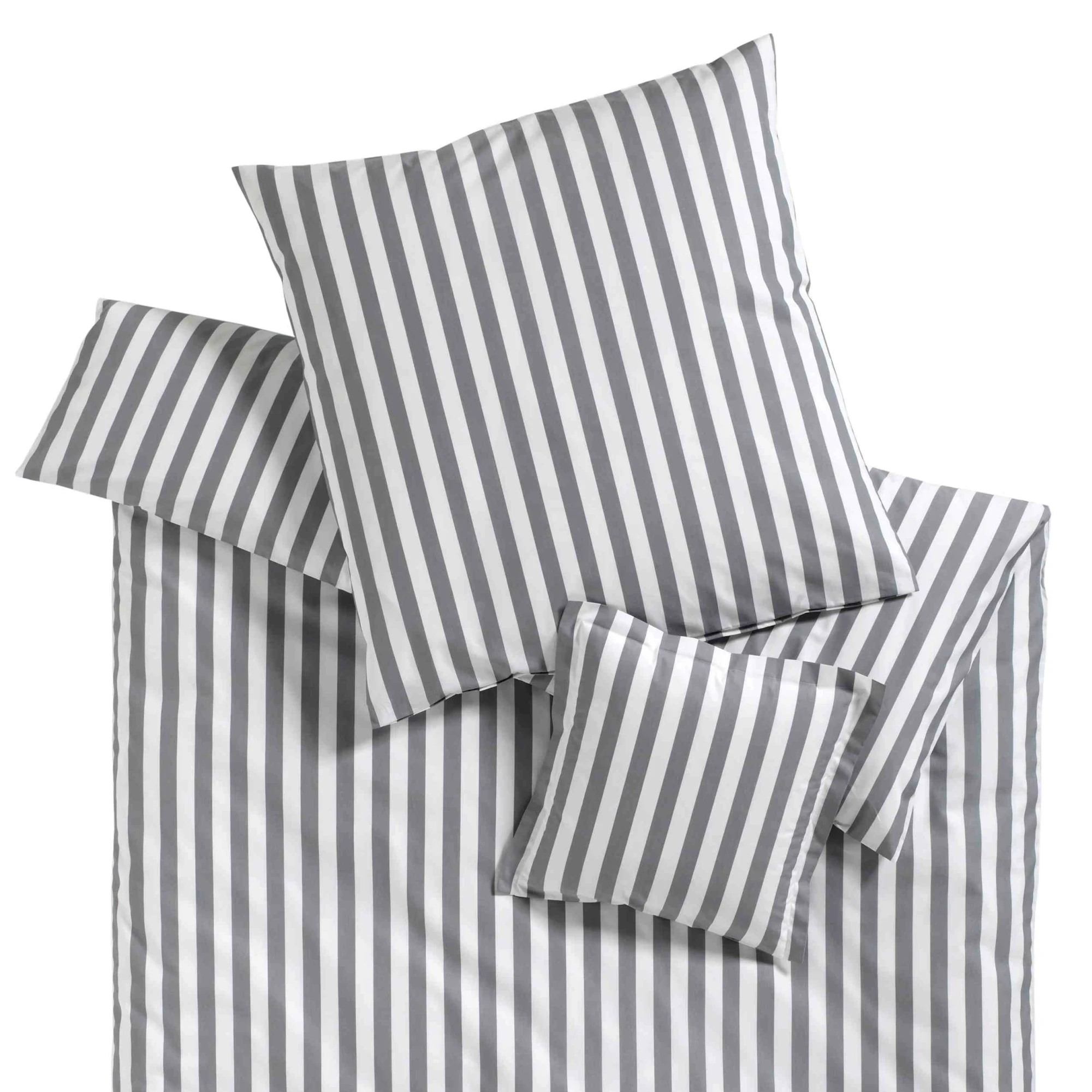
Radiant damasks in classic stripes or with opulent ornamentation – that is Curt Bauer. The designs of the German weaving mill would grace any royal palace. The fabrics are often marked by gold and silver tones and are reminiscent of the aesthetics of historic staterooms. The range is rounded off with matching dressing gowns, bedspreads and the finest table linen. Anyone who loves visual luxury will find what they are looking for at Curt Bauer.
elegante Bed Linen
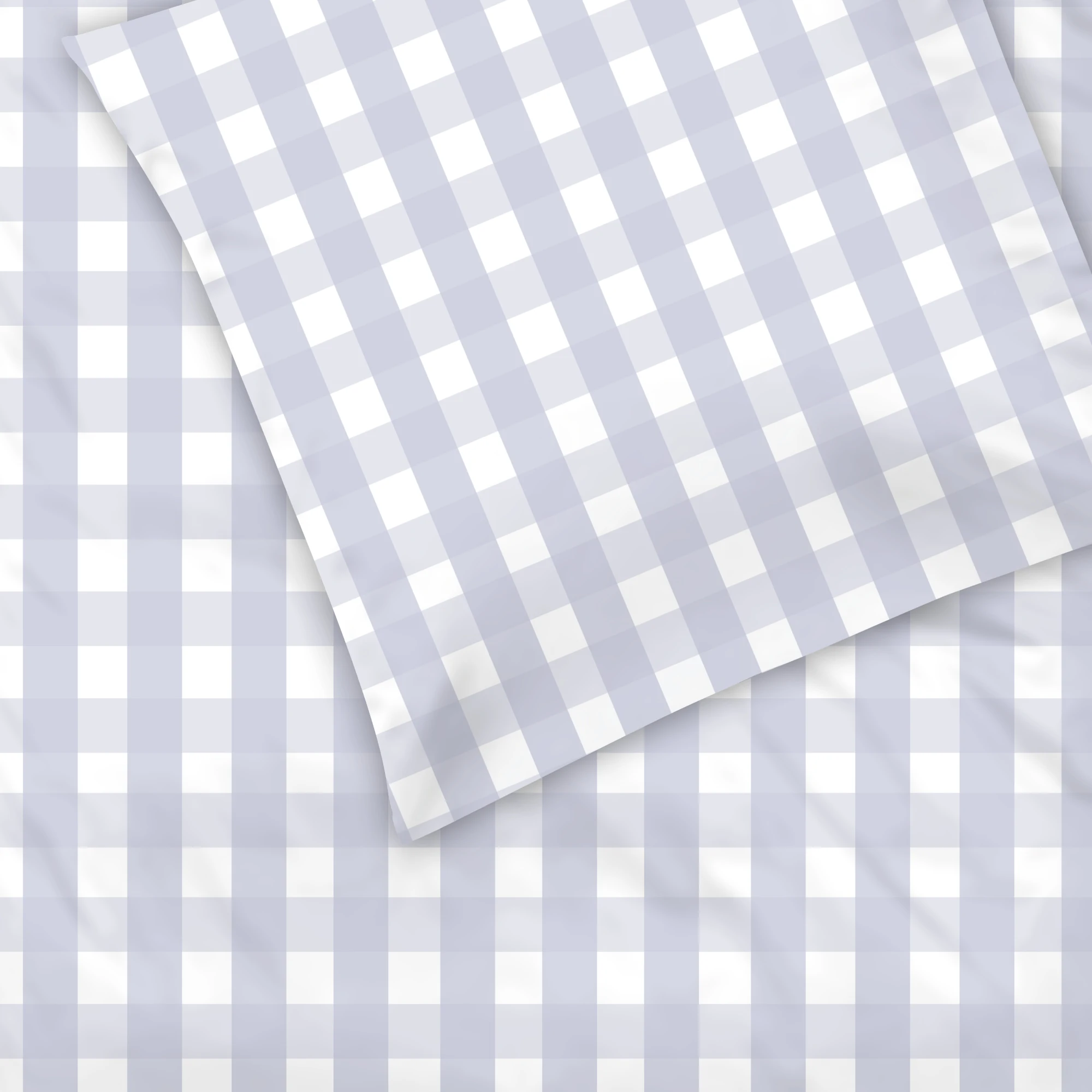
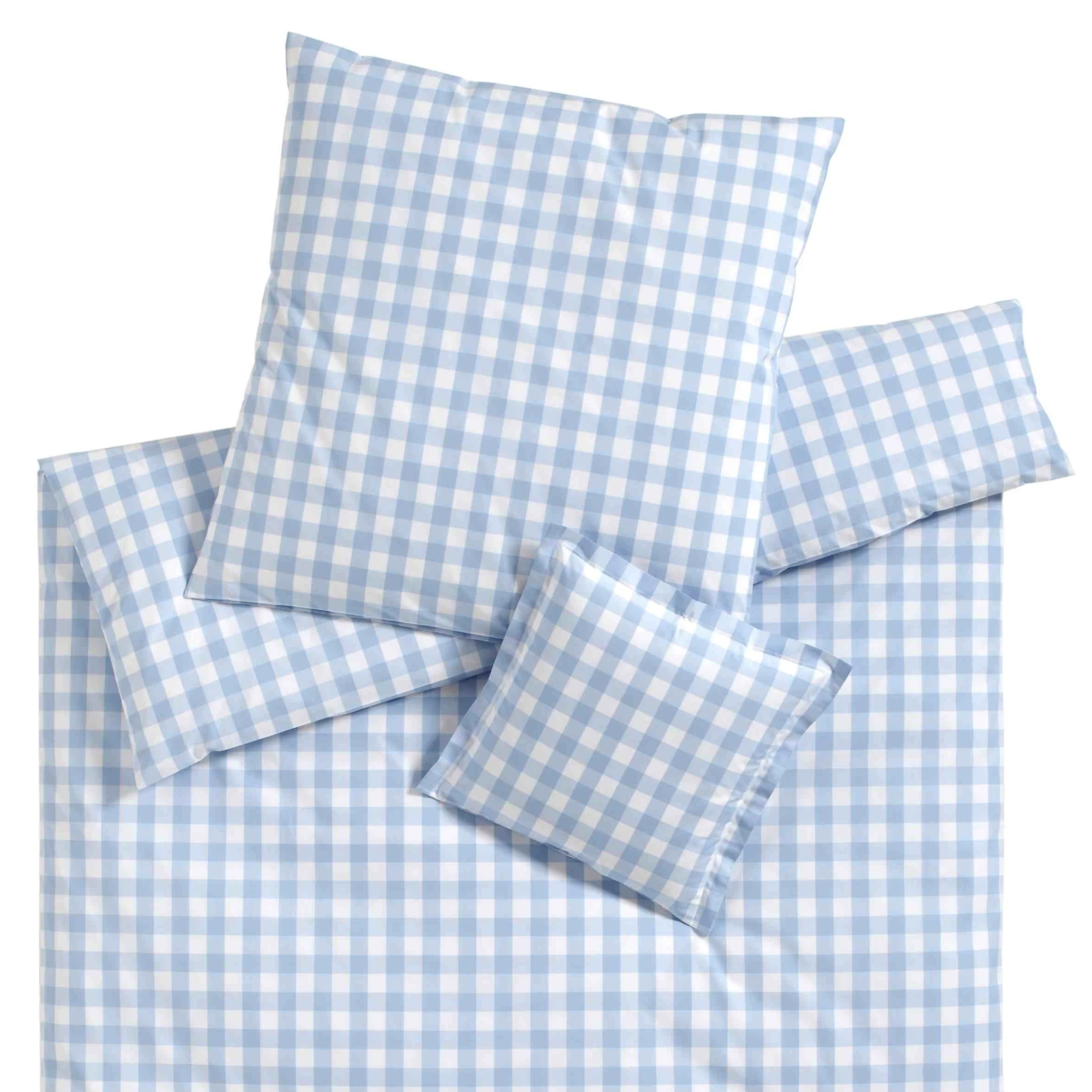
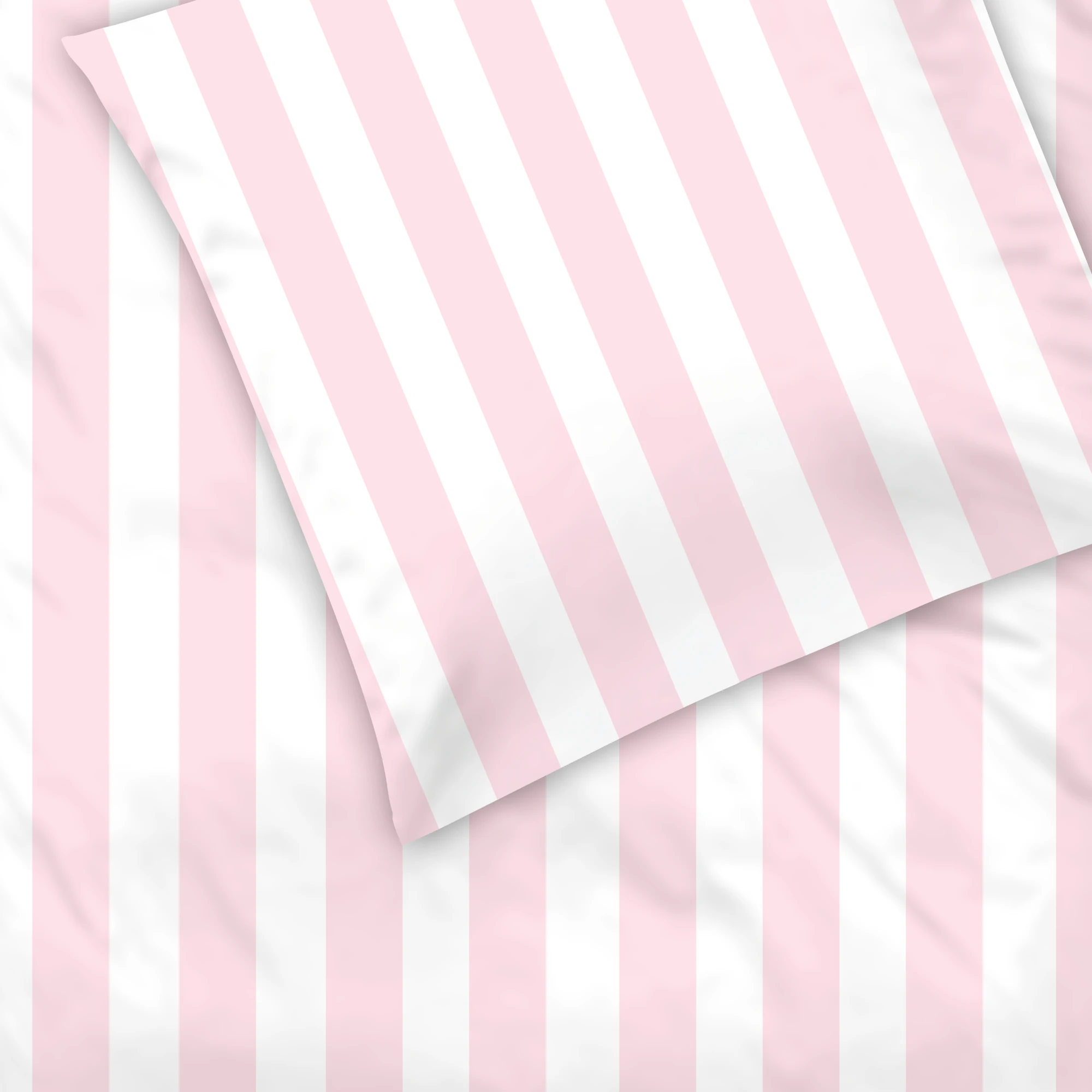
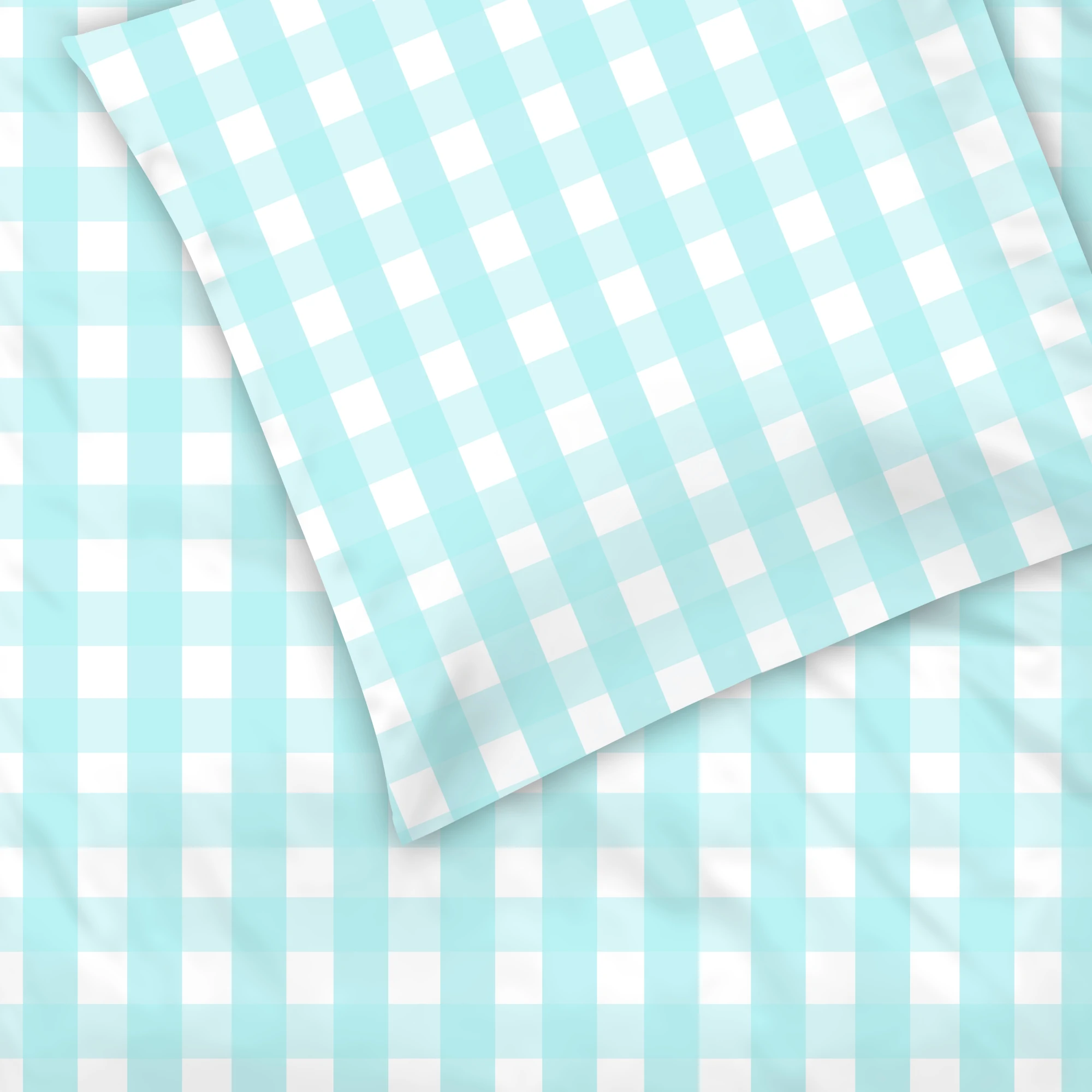
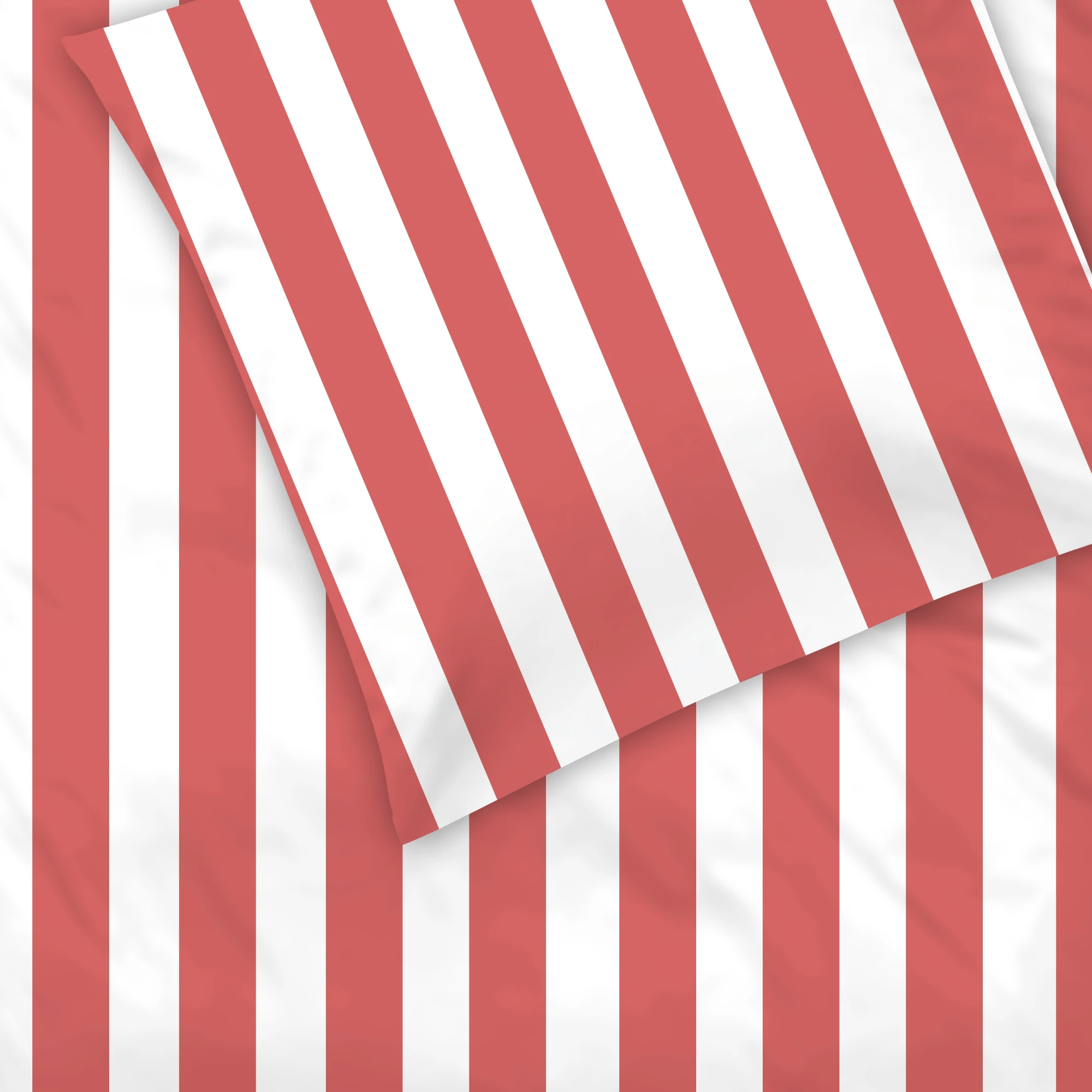
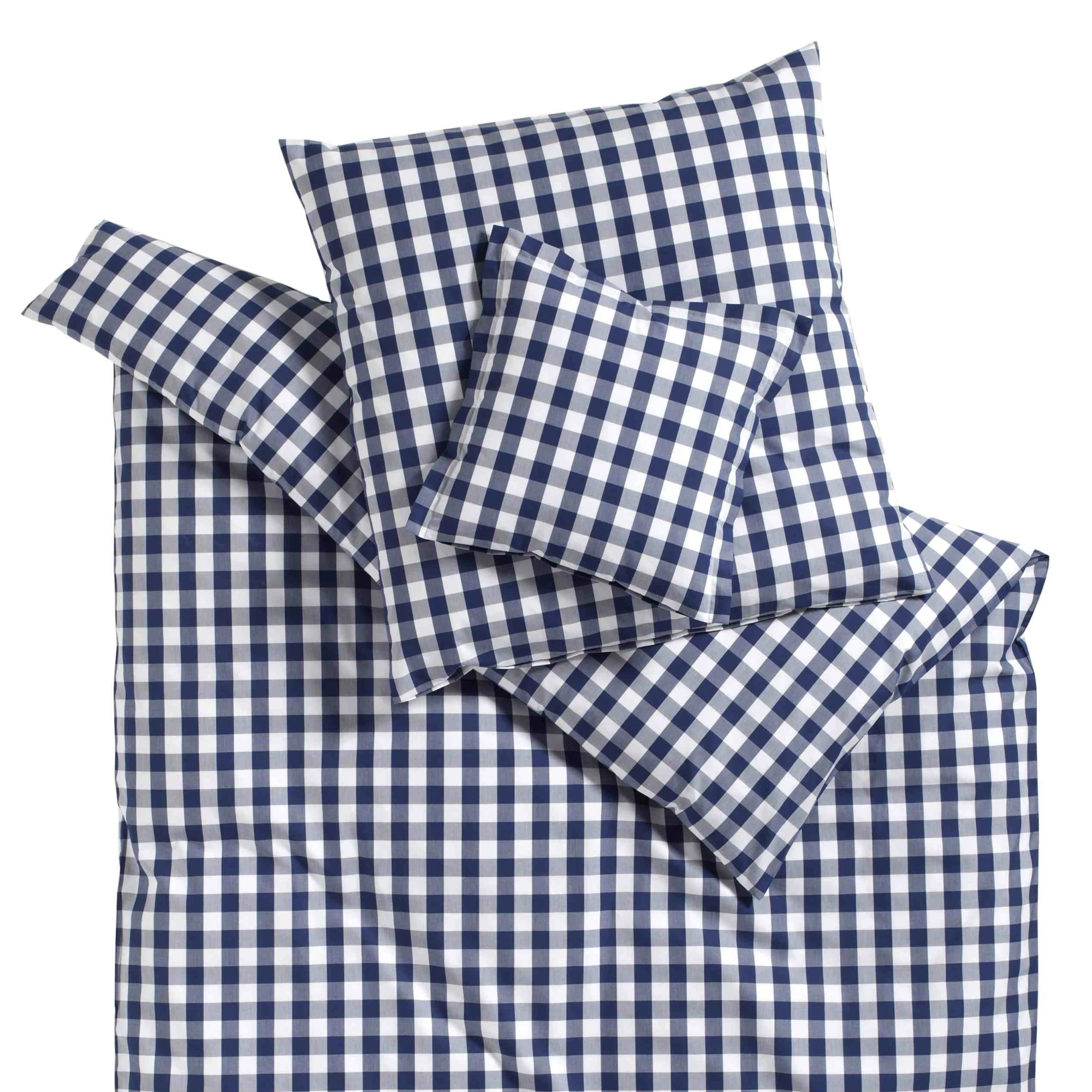
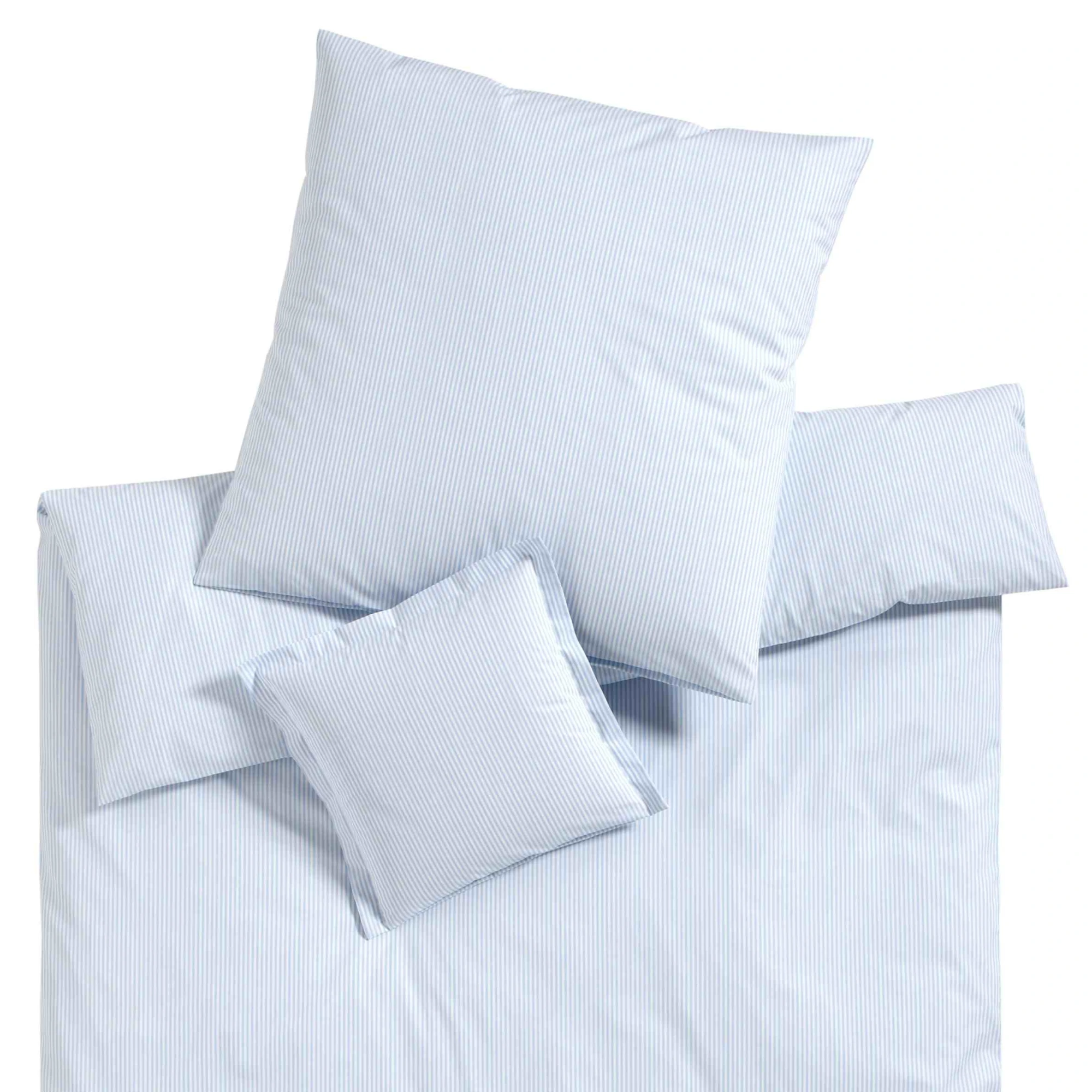
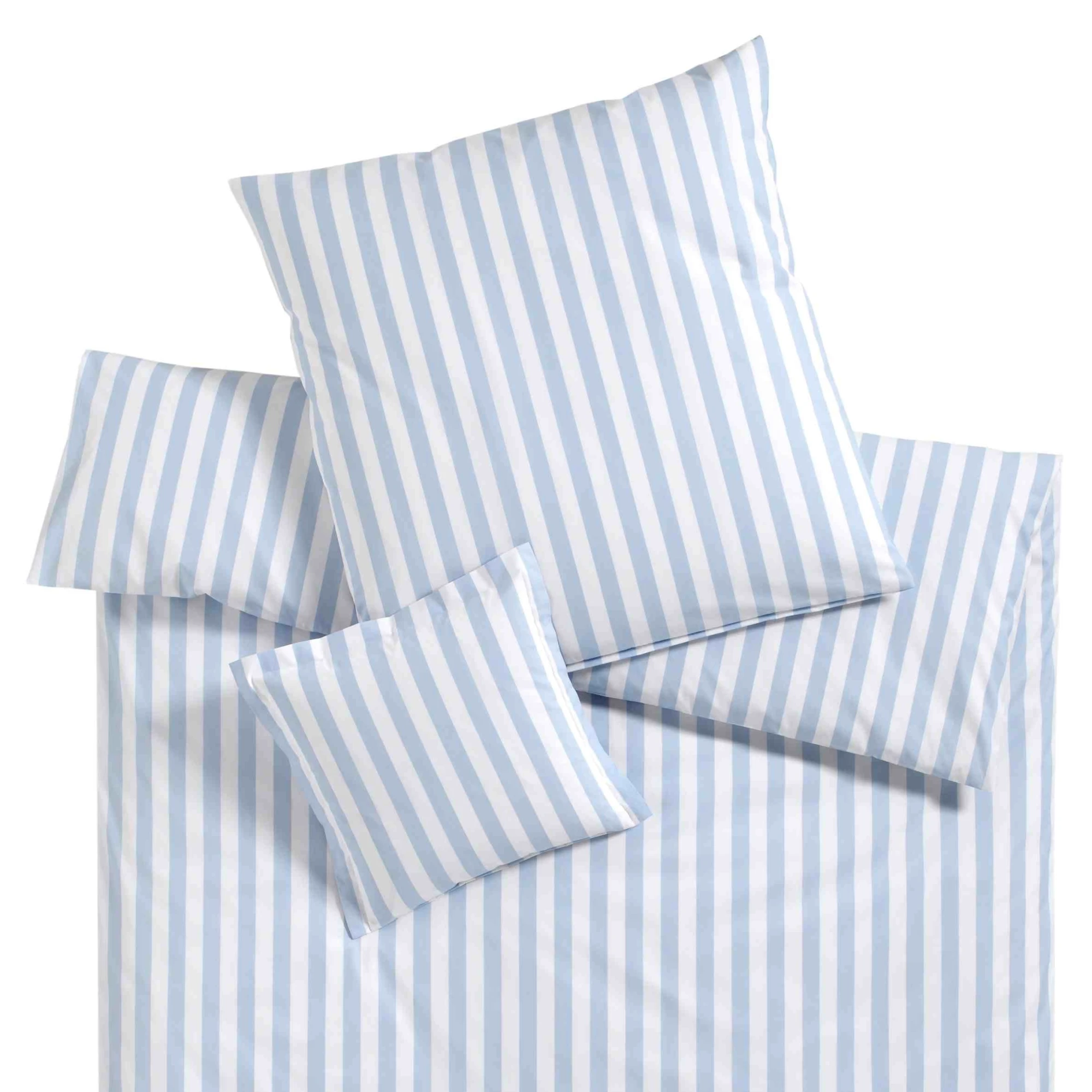
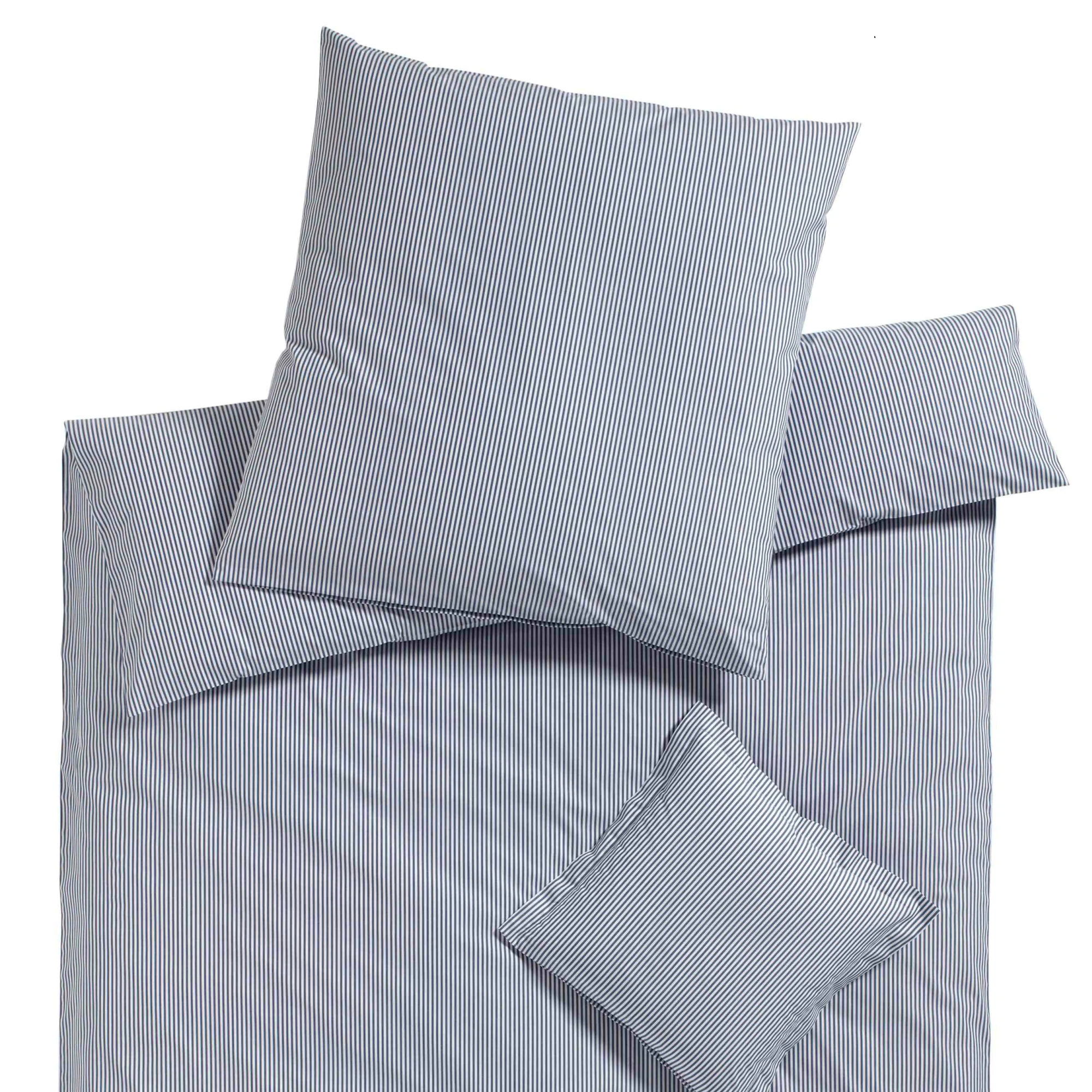
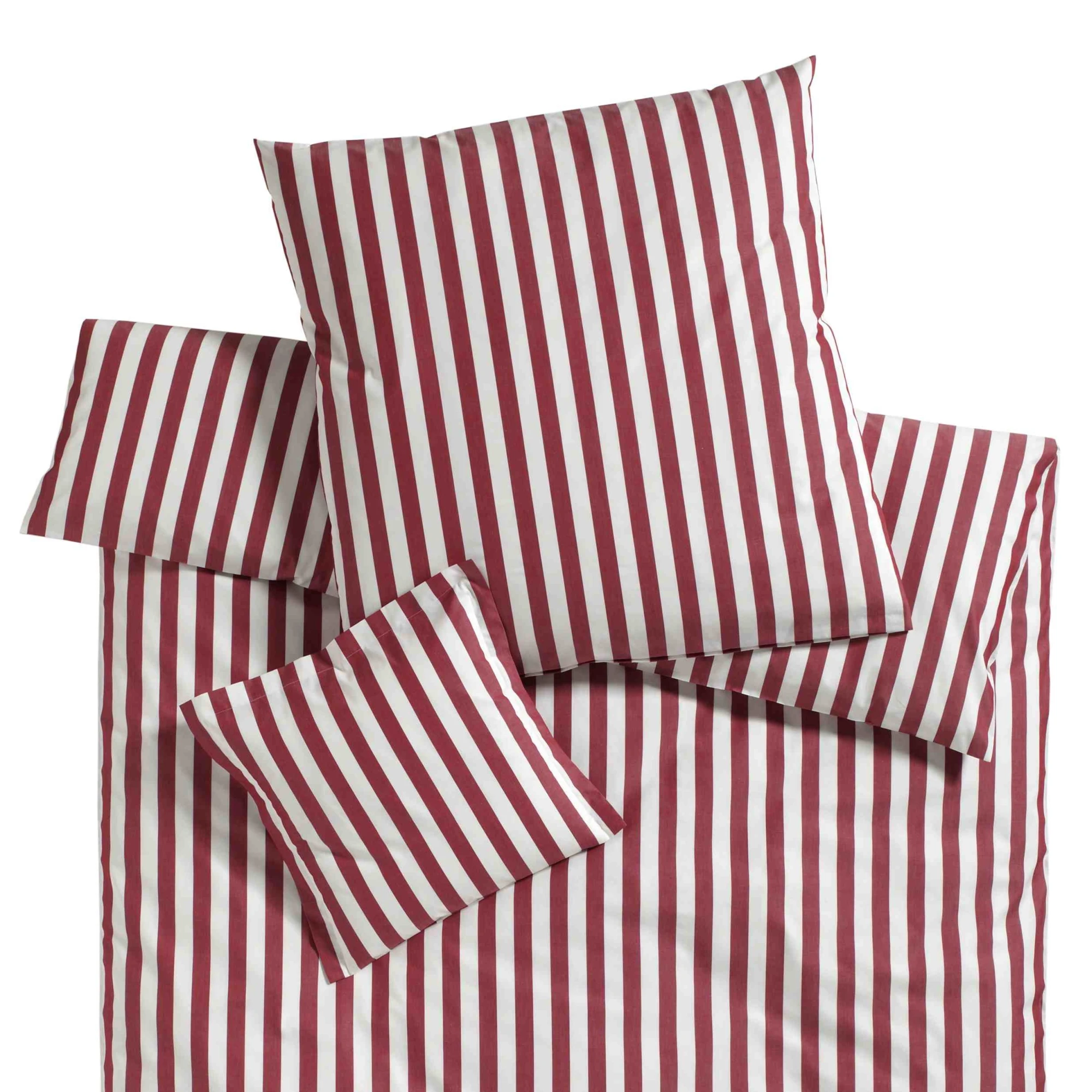
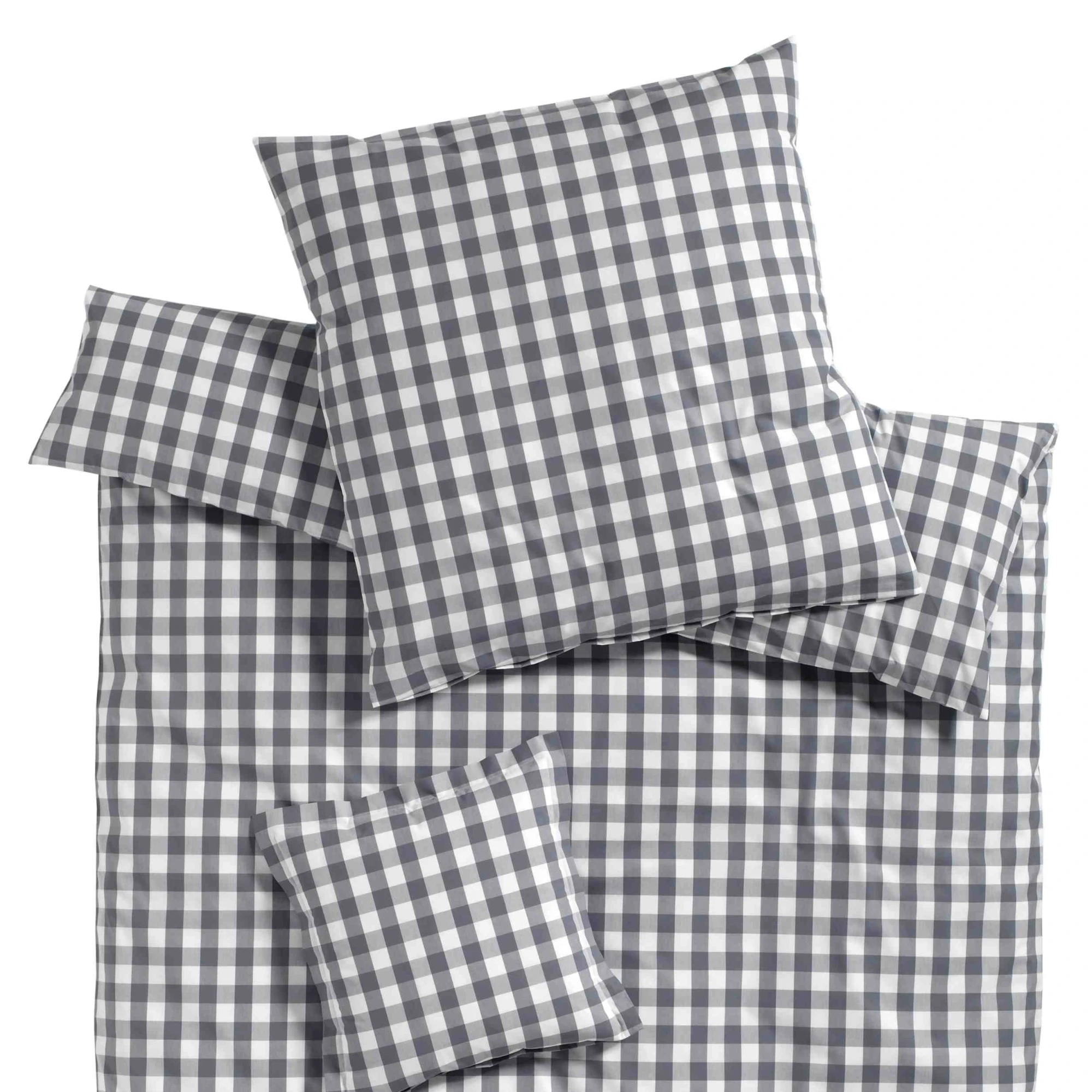
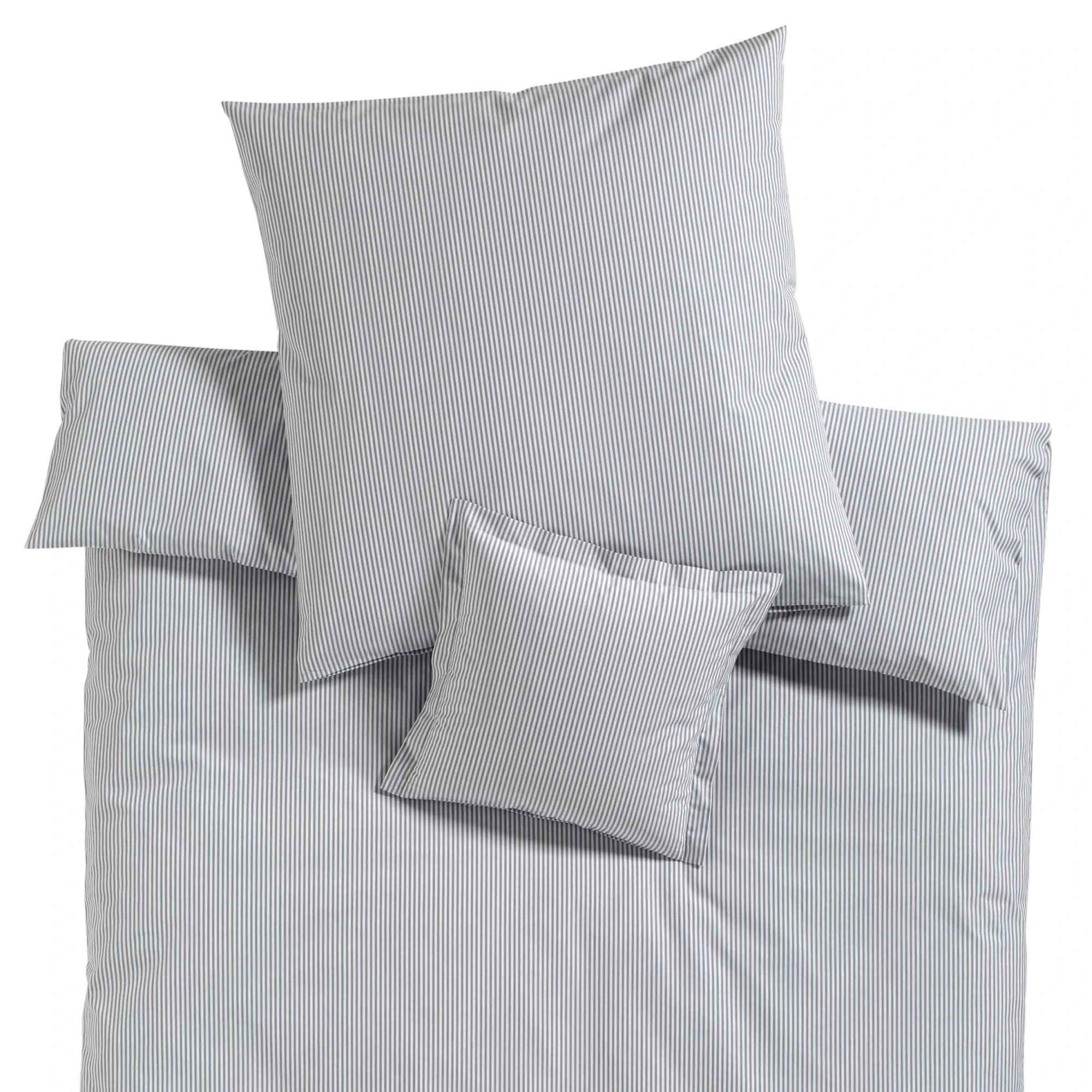
elegante from Bielefeld focuses on timeless designs that have a loyal following, particularly in northern Germany. The gingham items with checks or stripes are a classic that enjoys unbroken popularity. The designs are available in many colourways, so there is something for every taste. A particular advantage: despite their premium aspirations, the high-quality products are especially easy to care for.
Royfort Bed Linen
Royfort is the youngest brand in our bed linen range and yet already as well known today as established traditional houses. The special feature of Royfort is the exceptional material mix of cashmere cotton – a composition not to be found anywhere else in this form. The bed linen combines classic fabric quality with modern, purist design and is aimed at customers seeking premium without retro aesthetics.
Further brands in our range
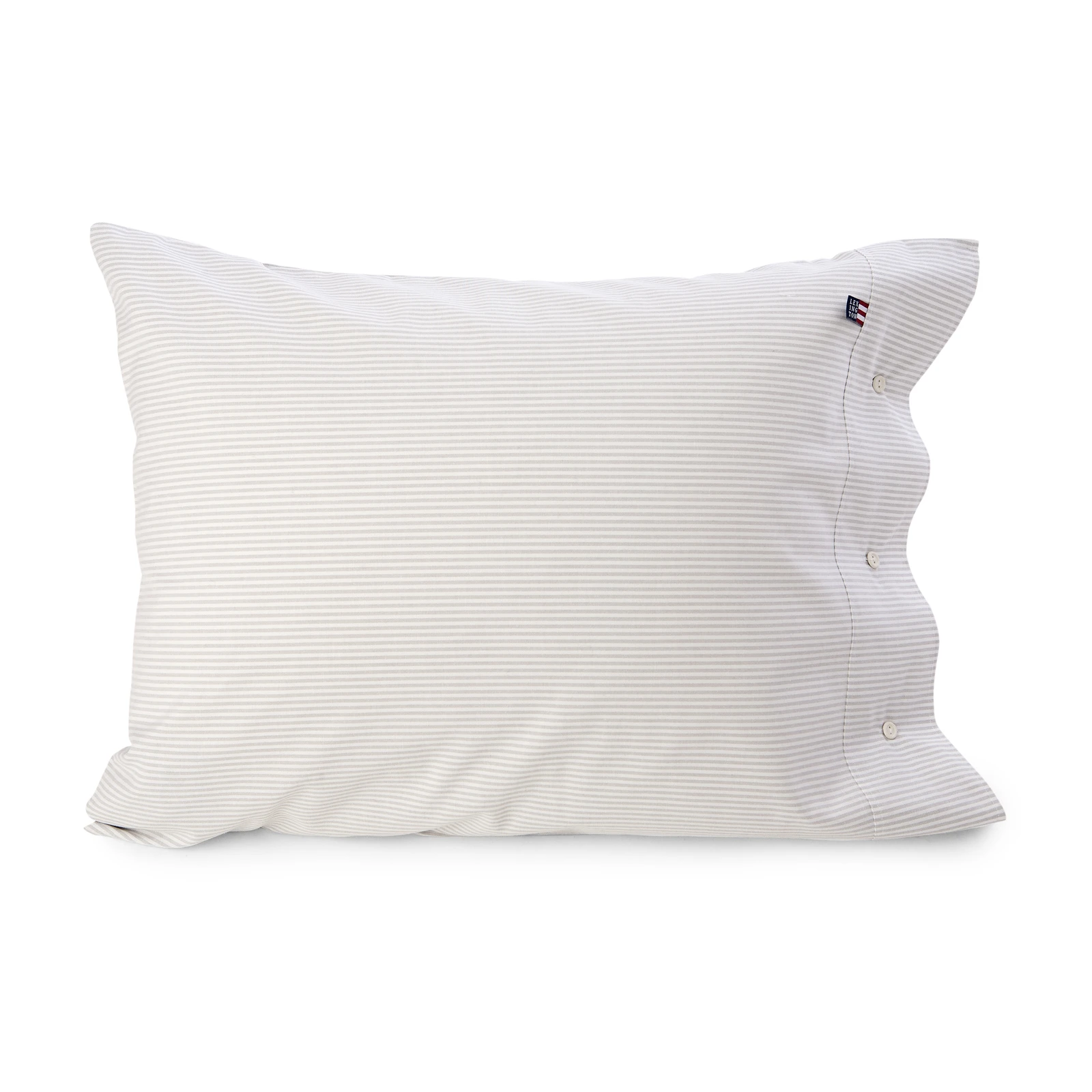
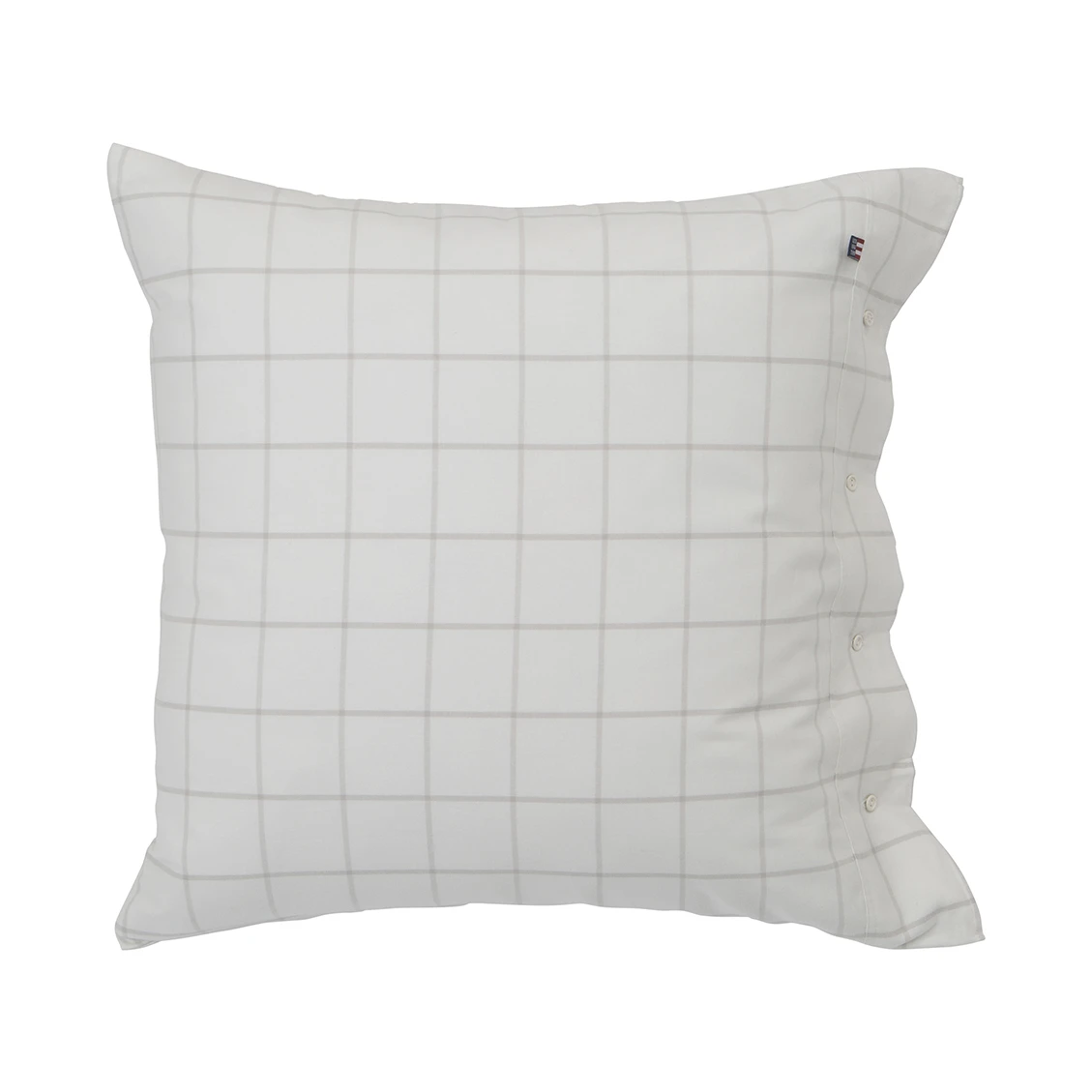
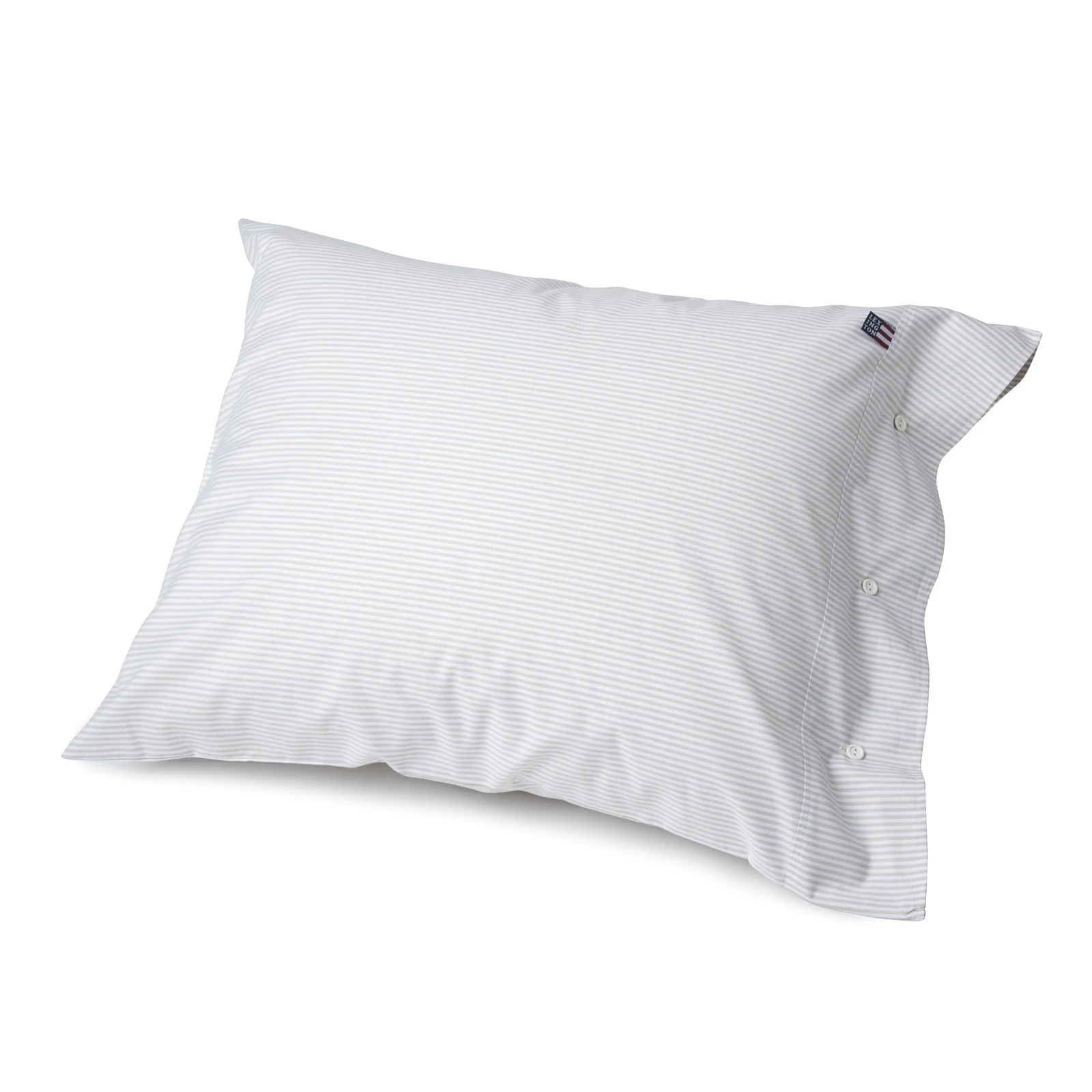
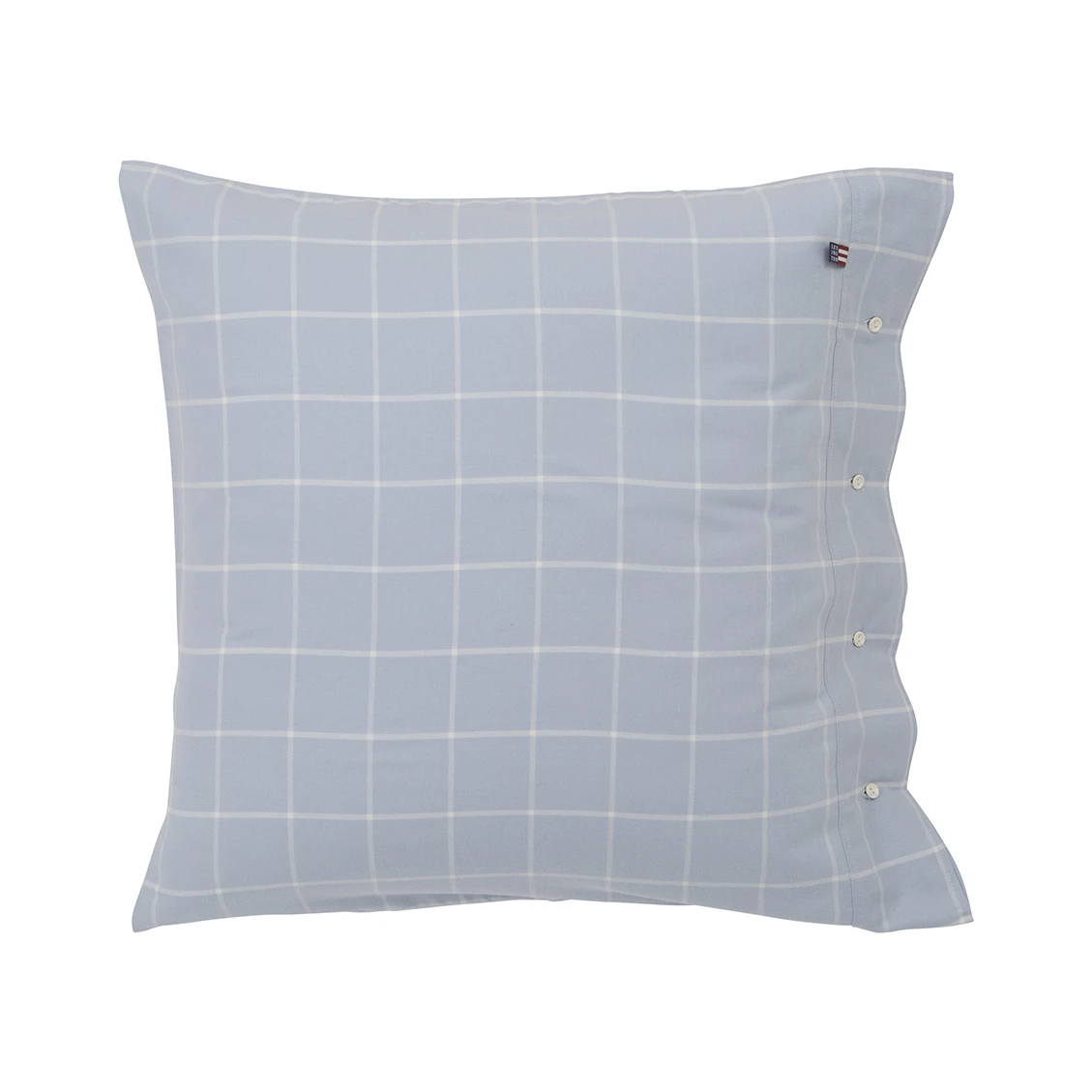
Alongside the five houses presented in detail above, we stock further high-quality brands, each with its own distinct profile: brennet from southern Germany with a long weaving tradition, decode by luiz with fresh designs for a younger audience, Lexington with a Scandinavian- and American-influenced style, Seidenweber as a specialist for pure silk bed linen and Zoeppritz with a lifestyle focus.
A special highlight in the range: Snurk. The Dutch brand produces print bed linen that turns lying in bed into an experience – anyone who sleeps in Snurk bed linen looks like a princess, an astronaut or a professional footballer. Snurk is primarily intended for children and is the perfect gift for little fans of a particular theme.
Fashion brand bed linen
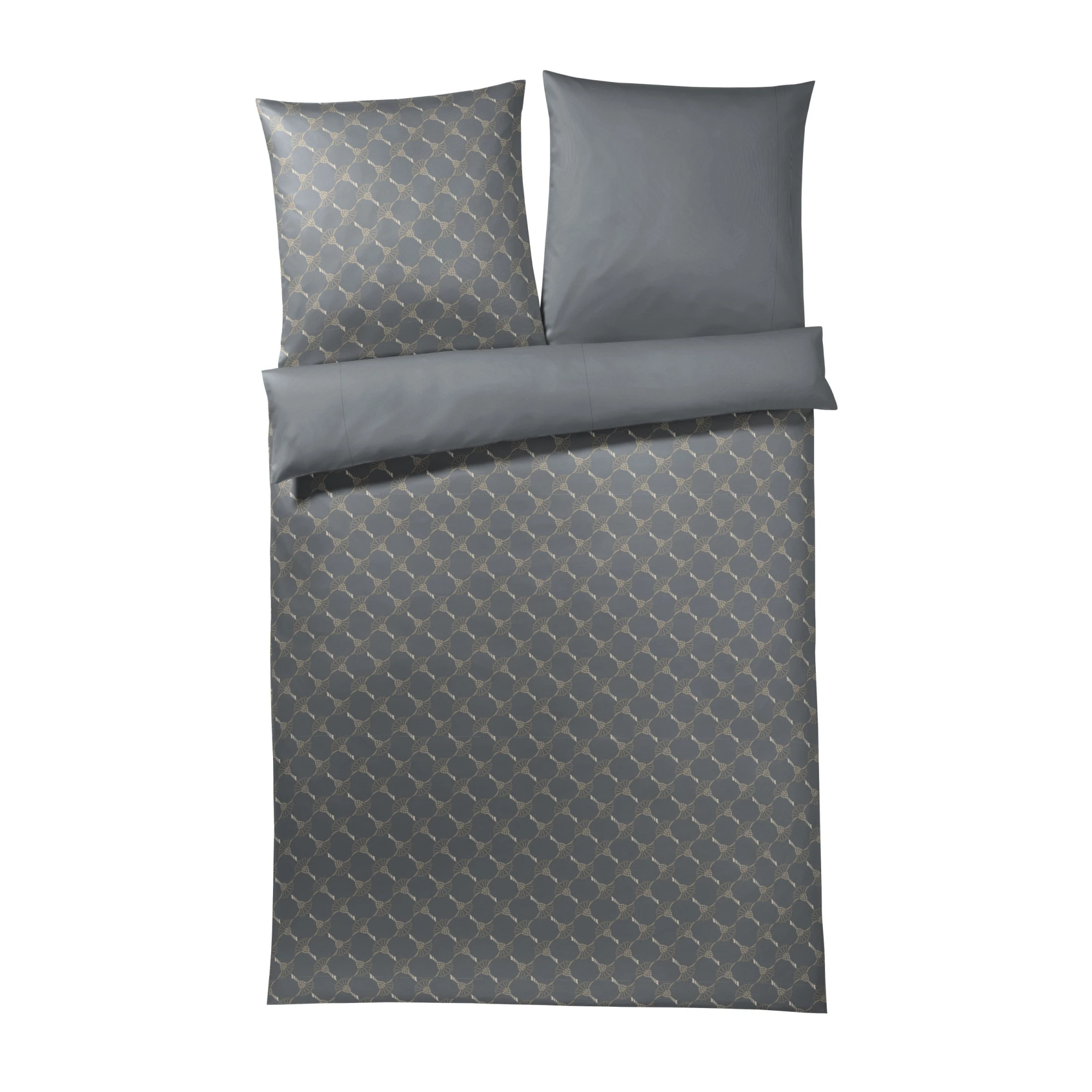
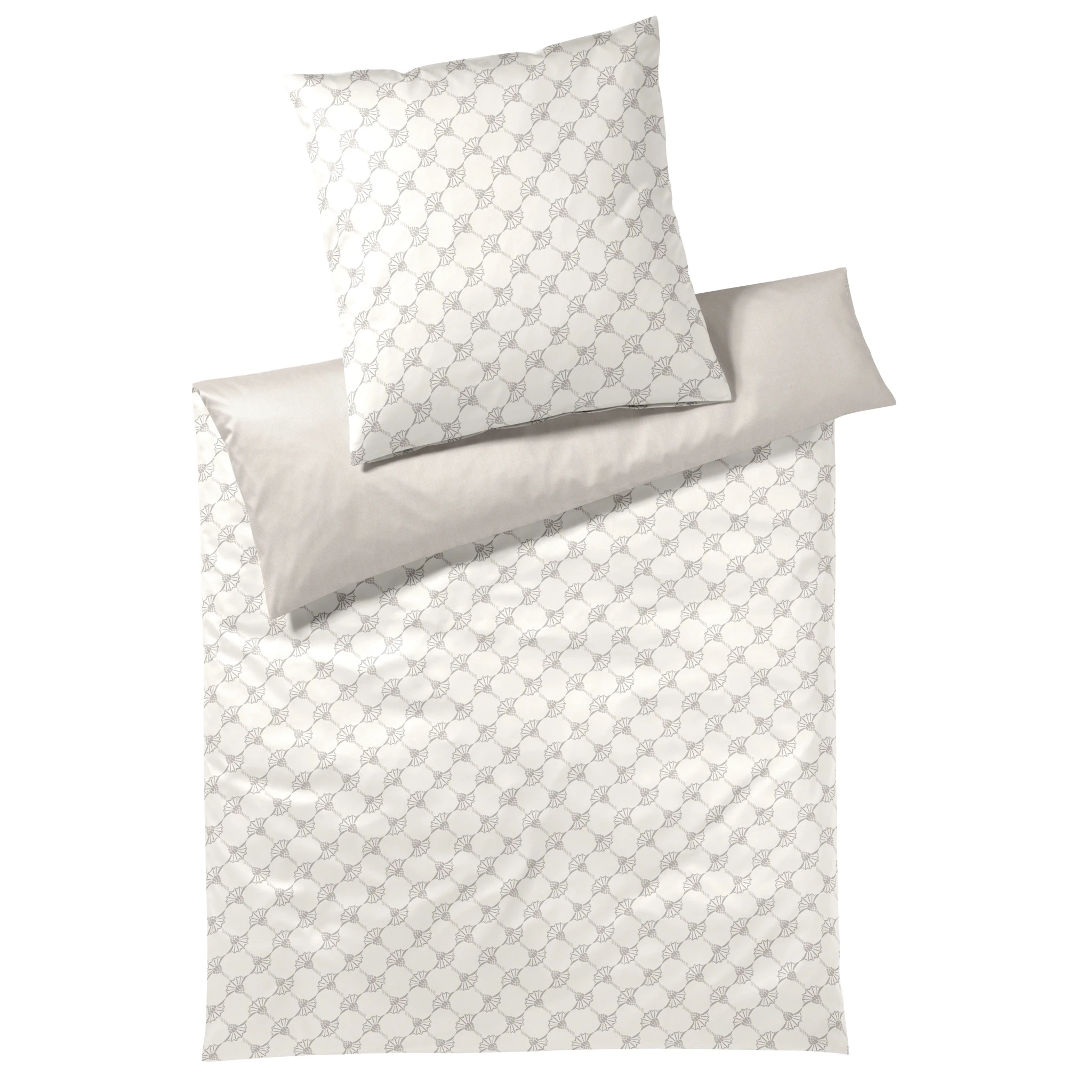
In the fashion sphere too there is high-quality bed linen that transfers the brands' typical design elements onto the covers. In our range you will find BOSS Home with geometric, masculine designs, JOOP! Living with the characteristic cornflower motifs, Kenzo Maison with a floral Asian aesthetic and Lacoste Home, which turns its typical polo jersey fabric into bed linen.
Washing and caring for bed linen correctly
High-quality bed linen needs to be cared for correctly so that it can unfold its full potential. You will always find the specific care instructions on the sewn-in label and with every product in our shop. Here we summarise the most important basic rules that apply to premium bed linen.
Detergent: what you absolutely need to look out for
Use exclusively detergent without optical brighteners. Optical brighteners settle into the fibres and, over time, alter the colour effect of the bed linen – a critical problem, especially with colourful designs and damask patterns. Ideally, reach for a liquid detergent, because it dissolves more completely and leaves no particle residue in the fibres.
Consistently avoid fabric softener. Fabric softener forms a film over the fibres and reduces the fabric's moisture absorption – precisely the quality that makes high-quality bed linen pleasant. The result: the bed linen does become softer in the short term, but permanently loses its climate-regulating effect.
Washing temperatures by material
Cotton and linen should be washed at 60 degrees – this is the ideal temperature for hygiene and preserving the material.
Silk bed linen is washed at a maximum of 40 degrees – ideally with a special silk detergent on your machine's silk cycle. Higher temperatures destroy the silk structure irreversibly.
Micromodal tolerates 40 degrees; flannel should be washed at 40 to 60 degrees.
For Satin bed linen there is an important particularity for the first wash that you should be sure to observe. We explain the details in full for satin bed linen.
Drying and ironing
The tumble dryer is expressly recommended for high-quality cotton bed linen. The gentle mechanical movement causes the fibres of the threads to lie flat again and the bed linen regains its original softness. Just take care not to dry it too hot – a low to medium dryer setting is enough.
Percale becomes especially crisp and smooth through ironing; satin does not necessarily need to be ironed. Seersucker must not be ironed – its characteristic crinkle structure is intended and would be destroyed by ironing. Linen naturally creases heavily and can, depending on the style, be left as a deliberate feature or ironed.
Storage
Store bed linen in a dry, airy place, protected from sunlight. Lavender sachets between the stacks act naturally against moths and give the covers a subtle fragrance. Avoid plastic containers – the bed linen needs to be able to breathe.
Matching bedding is what completes the luxury
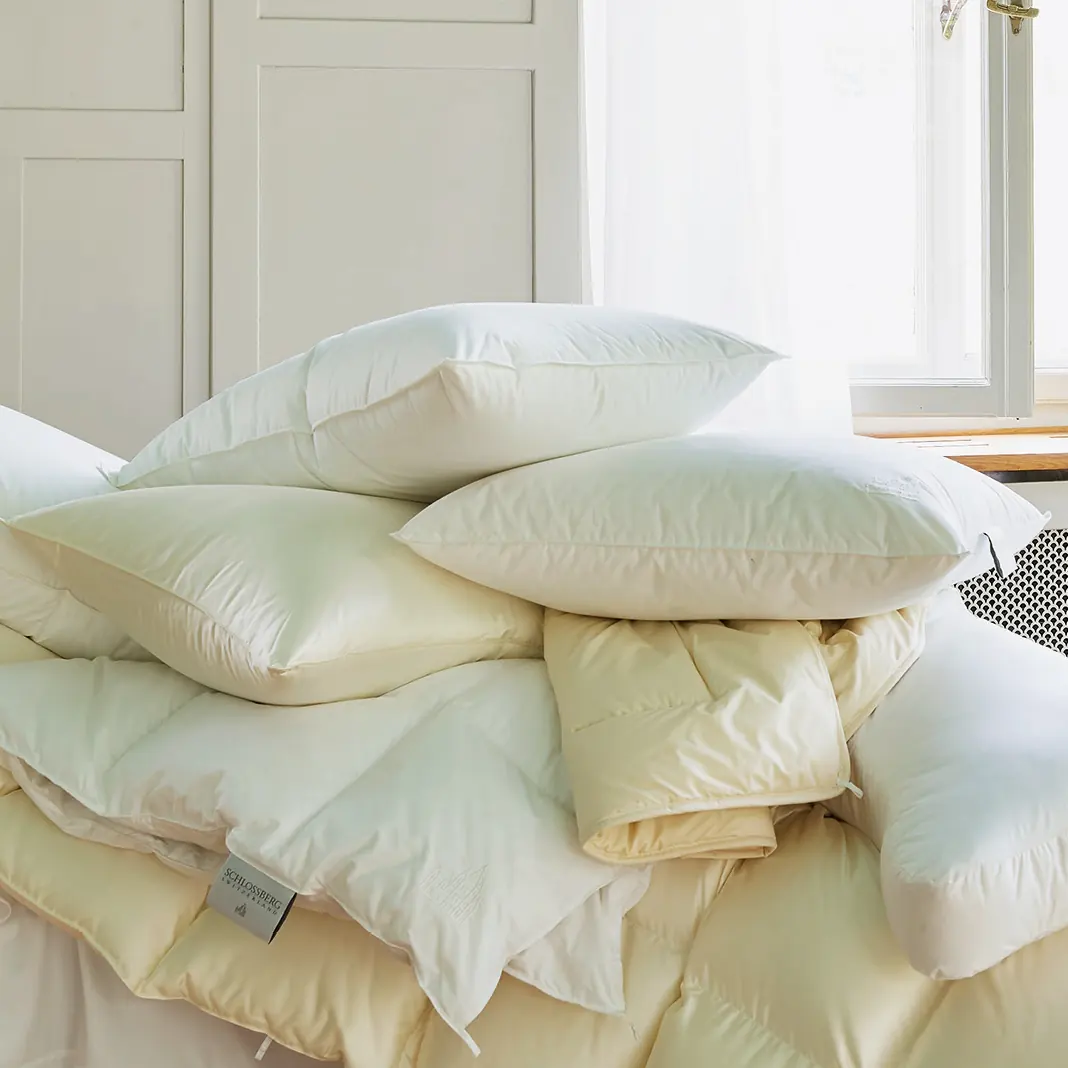
Luxurious bed linen only fully unfolds its value when the inner life matches. What good is the finest, lightest weave to you if the duvet is heavy and not breathable? First-class Duvets are distinguished, particularly in the down segment, by being plush and warm and yet light as a feather. With pillows the same is crucial for restful sleep – no one wants to feel lumps or prickling quills against their face.
As a multi-brand retailer, our speciality is cross-brand advice: we know which Schlossberg bed linen goes particularly well with a Dauny down duvet, which Formesse fitted sheet perfects the sleeping experience on a Treca mattress and which Royfort pillow harmonises with Curt Bauer damask. This cross-brand curation is the service you do not get in the direct-to-consumer shops of the individual manufacturers.
Buying bed linen at Interior Couture
Experience high-quality bed linen across the entire spectrum of the leading premium brands. We advise you personally on the right choice of material and brand and offer free fabric samples so that you can test the feel before buying.
We deliver bed linen free of shipping charges from an order value of €50.00 within Germany. International shipping is free from an order value of €200.00. Naturally, for deliveries to countries outside the EU and to Switzerland you will receive a VAT-free invoice.
Our team will be happy to assist you by telephone on +49 (0) 221 630 606 12 or by email. On request we will also advise you personally in our shop.
Frequently asked questions about bed linen
Which bed linen is the best for summer?
For hot summer nights, linen, percale, seersucker and muslin are especially suitable. These weaves are breathable, wick moisture away quickly and feel cool on the skin. Satin and flannel are less suited to summer – satin retains heat more strongly, and flannel is made specifically for cold nights.
Which bed linen is the best for winter?
In winter, flannel and brushed-cotton bed linen are the classic choice – both are brushed and store body heat effectively. Jersey too, thanks to its density, is well suited to the cold season. For the whole year, Mako Satin works well, adapting to how you perceive temperature.
How often should you change bed linen?
Normally we recommend changing bed linen every one to two weeks. If you perspire heavily, have allergies or during the warm summer months, a weekly change makes sense. Skin compatibility and hygiene benefit greatly from regular changing – especially with premium bed linen, which justifies several changes of set.
What is the difference between percale and satin?
Percale and satin differ in the type of weave, not in the material – both are frequently made from high-quality cotton. Percale is tightly woven with a matte, cool, slightly crackling surface – ideal for people who like it fresh. Satin is woven in a satin weave, giving it a characteristic sheen and a soft, hugging feel – ideal for people who like it comfortable and luxurious.
Can bed linen be tumble dried?
Yes, for high-quality cotton bed linen the tumble dryer is even recommended. The mechanical movement causes the fibres to lie flat again and the bed linen becomes noticeably softer. Important: choose a low to medium dryer setting, not too hot. Only silk bed linen and seersucker do not belong in the dryer – these should be air-dried.
Is bed linen with a zip or with buttons better?
That is primarily a matter of taste. Zips open and close more quickly, but can snag with cheaper workmanship. Button plackets are the classic premium closure – they are durable, can easily be repaired if needed and are considered more elegant. Both variants occur among premium brands, depending on the manufacturer's design decision.
Why does my bed linen lose colour in the wash?
Colour loss usually has three causes: too high a washing temperature, detergent with optical brighteners, or fabric softener. Premium bed linen is indeed dyed with natural colours by a heat process and is therefore relatively colourfast, but with incorrect treatment it too can lose colour intensity. Our recommendation: use a liquid detergent without optical brighteners and wash at the stated temperature.